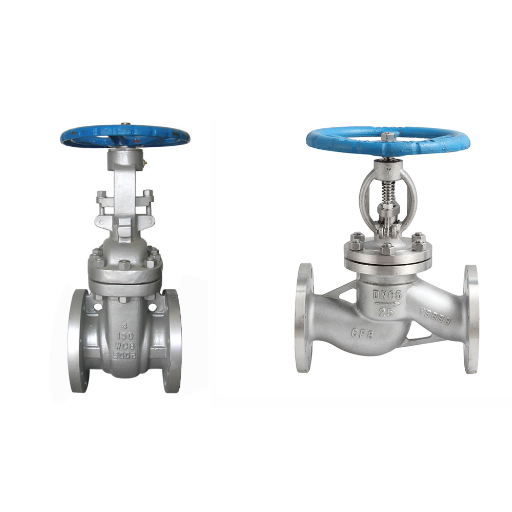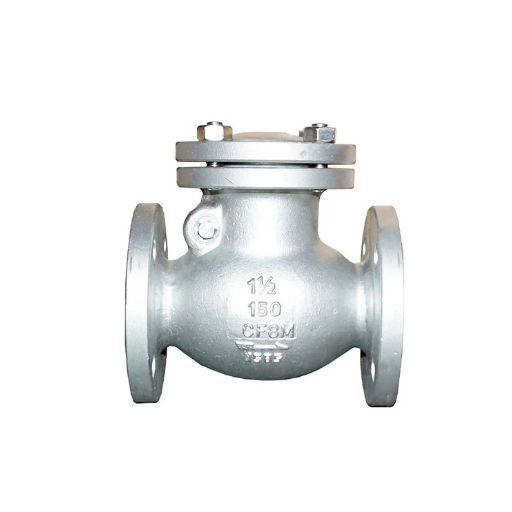
When it comes to industrial systems, a leaking flange gasket is a recurring and vexing problem that influences operational efficiency, safety, and maintenance costs. Understanding the reasons behind flange gasket failure is essential for preventing these issues and ensuring dependable service.
This comprehensive guide will help you identify why flange gaskets fail, covering everything from improper installation and material incompatibility to operational stresses and environmental factors. By understanding these common causes and their remedies, you’ll be equipped with the knowledge to improve the durability and functionality of your sealing systems.
Comprender las fugas en las bridas
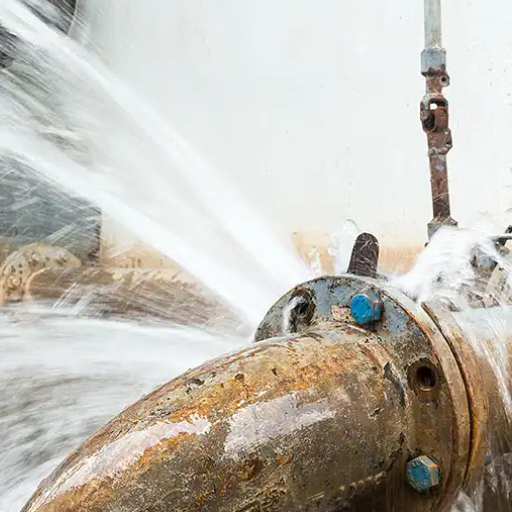
Flange leaks occur through a combination of mechanical, material, and operational problems. The most common factors include:
- Insufficient gasket compression durante la instalación
- Falta de alineación adecuada between flange faces
- Inappropriate gasket materials that cannot withstand operating conditions
- Ciclos térmicos that continuously stresses the seal interface
- Fluctuaciones de presión that exceed design limits
What is a Flange Leak?
Flange leakage represents the failure of sealing between two adjoining flange faces, permitting the unwanted passage of fluids or gases. This breakdown can result from various factors including wrong gasket selection, improper installation procedures, or uneven bolt torques.
Common Causes of Flange Leaks
| Categoría de causa | Problemas específicos | Impacto en las focas |
|---|---|---|
| Errores de instalación | Uneven torque, misalignment, improper bolt sequence | Creates stress concentrations and leak paths |
| Selección de Materiales | Wrong gasket type, incompatible materials | Chemical degradation and mechanical failure |
| Factores ambientales | Temperature cycling, corrosive atmosphere | Material fatigue and degradation over time |
| Problemas de mantenimiento | Lack of inspections, delayed repairs | Progressive deterioration leading to failure |
The Role of Gaskets in Flange Functionality
Gaskets are essential components that create a secure seal between flange faces, preventing fluid or gas leakage under various operating conditions. For optimal performance, gaskets must:
- Mantener la integridad del sellado against temperature variations
- Withstand pressure fluctuations sin deformación
- Resist mechanical stress from system vibrations
- Provide chemical compatibility with the process medium
Specific Causes of Flange Leaks

Instalación y alineación incorrectas
Installation errors are among the most preventable causes of flange leaks. Common installation problems include:
- Failure to apply even torque during bolt tightening
- Misalignment of flange surfaces before final assembly
- Inadequate surface preparation and cleaning
- Incorrect bolt tightening sequence
Effects of Thermal Expansion on Flange Leakage
Thermal expansion plays a critical role in flange leakage, as temperature fluctuations can significantly impact bolt tension and gasket compression. When materials expand or contract due to heating and cooling cycles, they can cause:
- Misalignment between flange faces
- Reduction in sealing force
- Creation of leak paths
- Gasket material degradation
Corrosion and Its Impact on Gasket Integrity
Corrosion significantly compromises gasket performance and requires proactive prevention measures. Effective corrosion management includes:
- Selecting corrosion-resistant gasket materials (PTFE, stainless steel)
- Implementing regular inspection schedules
- Designing systems to minimize exposure to corrosive agents
- Following proper installation practices
Diagnosing Flange Gasket Issues

Effective diagnosis requires a systematic approach to identify the root cause of gasket failure. The diagnostic process should include:
Inspección de daños y desgaste
- Visual Investigation: Look for cracks, scratches, or uneven surfaces
- Compression Assessment: Check for gasket flattening or distortion
- Análisis ambiental: Evaluate exposure to chemicals, high temperatures, or corrosive atmospheres
- Comparación histórica: Compare current condition with maintenance records and original specifications
Identifying Uneven Bolt Stress and Tensioning Issues
Proper bolt tensioning is crucial for maintaining seal integrity. Key inspection points include:
- Bolt tightening patterns and procedures
- Torque verification using calibrated tools
- Signs of bolt thread galling or wear
- Flange surface warping or damage
Assessing Piping System Loads at Flange Locations
System load assessment involves evaluating internal and external forces to ensure compliance with industry standards like ASME. Critical considerations include:
| Tipo de carga | Método de evaluación | Estrategia de Prevención |
|---|---|---|
| Expansión Térmica: | Temperature cycle analysis | Flexible piping design |
| Vibración | Frequency and amplitude measurement | Proper support placement |
| Weight Loads | Cálculo de carga estática | Adequate support systems |
Fixing Flange Gasket Leaks

Steps to Tighten and Secure Flange Connections
Follow this systematic approach for proper flange assembly:
- Preparación de la superficie: Clean all surfaces and bolts, removing debris
- Verificación de alineación: Ensure proper flange alignment before gasket installation
- Instalación de juntas: Install gasket according to system specifications
- Apriete de pernos: Use calibrated torque wrench with crisscross pattern
- Ajuste progresivo: Apply torque gradually in multiple passes
- Verificación final: Check all bolts reach specified torque values
Replacing Damaged Gaskets and Flanges
When replacement is necessary, follow these critical steps:
- Aislamiento del sistema: Ensure complete pressure relief and material removal
- Eliminación cuidadosa: Use appropriate tools to prevent surface damage
- Limpieza de superficies: Remove all debris, corrosion, and old sealant
- Selección de componentes: Choose replacements meeting exact specifications
- Instalación: Follow proper assembly procedures
- Pruebas del sistema: Verificar el rendimiento en condiciones de operación
Proper Maintenance Practices to Prevent Future Leakage
Programa de mantenimiento preventivo:
- Regular inspections for wear, cracking, and corrosion
- Immediate remediation of identified issues
- Proper lubrication and component tightening
- Use of quality materials for repairs and replacements
- Detailed record-keeping for predictive maintenance
Referencias
Métodos para mejorar la seguridad de los procesos
This academic source discusses flange connections as common failure points in industrial plants.
Leer más aquí
Equipment Leaks | US EPA
The U.S. Environmental Protection Agency provides insights into gasket wear and human error as causes of leaks.
Leer más aquí
Leak Detection and Repair Guide | US EPA
This guide explains how gasket failure and improperly torqued bolts on flanges contribute to leaks.
Leer más aquí
Proveedores de juntas de brida de alta calidad en China
Preguntas frecuentes
What are the common causes of flange leaks?
Leaking flanges can come about due to a host of reasons, which may include poor installation, flange faces being damaged, or uneven bolt stress. When the alignment of a flange is faulty, uneven compression may occur on the gasket surface, a cause capable of producing leaks. If the gasket is not of suitable size or material for the particular application, then it may not seal. Thermal expansions and temperature variances can do the same in high-temp applications. Thus, keep in mind installation and alignment.
How does improper flange alignment lead to leaks?
Si perno de brida tightening is uneven due to improper flange alignment, then fluid can leak through these leakage paths because of uneven stress distribution over the gasket caused by uneven bolt stress. If the faces of the flange are dirty or damaged, then the gasket may not be able to seat correctly, which produces leaks. Make sure parallelism of the flange face is maintained and that all surfaces are kept clean to prevent these issues. Plus, regular inspections can ensure proper maintenance and avoid any flange alignment problems with the installation.
What role does gasket material play in flange leakage?
Gasket material plays the prime role in averting flange leakage. Use of gasket of improper size or material may cause insufficient sealing under varying temperature and pressure. For example, thick gaskets may not compress completely which might result in leakage paths being formed. Also, it has to withstand the chemical and thermal conditions of the application. In order to ensure a reliable flange joint leading to non-leakage, careful selection of the gasket material suitable for the operational environment is truly essential.
How can thermal expansion affect flange gaskets?
Here, a very wide temperature variation tends to affect flange gaskets with thermal expansion in many ways. Since different materials have their own expansion-contraction rates, different tensions can be created on the gasket. If these changes are not catered to by the gasket design, it may lead to disastrous gasket failure and leakage. If piping system loads in flange locations are beyond limits, then the condition aggravates. Hence, use gaskets considering the nature of thermal expansion of other materials.
What should I do if my flange gasket still leaks after replacement?
If your gasket still leaks after replacement, it’s imperative to investigate the causes for leakage. Perhaps improper gasket installation, not enough tension on the bolts, or damage to the flange itself. Check to be sure the flange faces aren’t dirty or damaged-this can prevent a proper seal. Ensure the bolts are tightened adequately and the flange faces correctly aligned. If after doing all the above the problem still continues to persist, it is advisable to consult with a specialist or to analyze piping system loads at the flange for further insight into that problem.