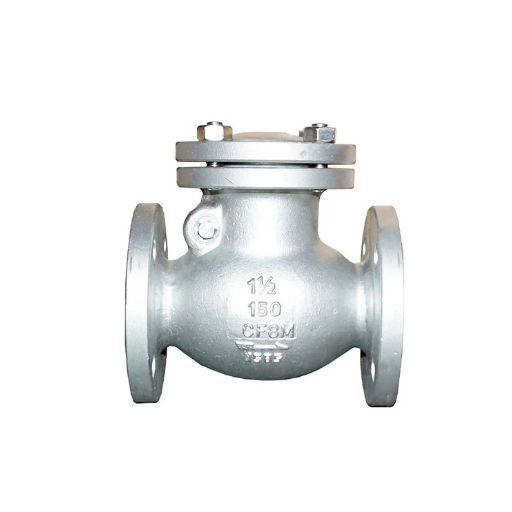
Valves of the ball type are an essential device in a great number of different industrial and residential systems and are prized for their long life, effectiveness, and user-friendly operation. However, the design aspects of ball valves lead to a frequently asked question: What is the reason for the frequent use of flanges for ball valves? The blog post to follow provides a thorough analysis of the reasons and merits of flanged ball valves where the performance is enhanced, the installation is made easier, and the connection is secured even in the most trying of operating conditions. The article is aimed not only at professionals such as engineers and technicians but also at the general audience curious about different valve designs who will find it enlightening in terms of the importance of flanging in ball valves and the reason for its global preference in piping systems.
Understanding Flanged Ball Valves
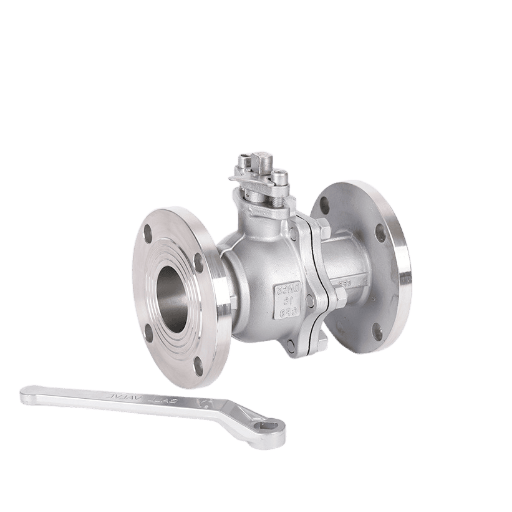
Definition and Functionality of Ball Valves
Ball valves are devices that control the flow of liquids or gases within a piping system through a rotating spherical ball with a hole through its center. If the hole of the ball is in line with the pipeline, the valve is opened, and fluid flows through it. When the ball is rotated 90 degrees through the valve handle or an actuator, the hole is turned, and fluid flow is cut off. Ball valves are recognized for their longevity, tight sealing, and user-friendliness; therefore, they are frequently found in a variety of industries where flow control and shutoff that are both reliable and effective are required.
Types of Flange Types Used
Flanges types used with ball valves vary according to the application, operational needs, and industry regulations. Examples of frequent types are:
- Weld Neck Flanges – they are used in very high-pressure and high-temperature applications mainly because of their tapered hub and weldable neck, which together form very strong and also leak-resistant connections.
- Slip-On Flanges – Very simple to install and very cheap; thus, they are ideal for low-pressure applications. They slip over the pipe and are welded both inside and outside for a tight fit.
- Blind Flanges – to seal off pipelines or to stop systems, blind flanges have no central bore and are often used for maintenance and inspection tasks.
- Socket Weld Flanges – These flanges are made for smaller-sized lines, and they are being welded on a pipe’s exterior, always in high-pressure systems.
- Threaded Flanges – in places where welding is impossible, threaded flanges are suitable for the connections. They have a threaded interior to match with pipes that have external threads.
- Lap Joint Flanges – normally in applications with considerable dismantling these flanges are applied with a stub end and are favored in situations where alignment of the bolt holes is very important.
- Orifice Flanges – these flanges are dedicated for flow rate measurement of liquids or gases and are provided with orifice plates for accurate flow measurement.
The specific functions of all these flange types help in the smooth and efficient operation of ball valves in different industrial setups. Material, size, and pressure requirements for optimal performance are critical factors for selection.
How Flanged Ball Valves Prevent Leakage
Flanged ball valves are built with an assortment of features that help them to keep leakage at bay and thus can be relied on in most industrial applications. One very important aspect is precision-engineered seals, either elastomers or PTFE (polytetrafluoroethylene), which provide an impeccable barrier against fluid or gas escaping. These valves employ floating or trunnion-mounted ball mechanism, allowing the ball to align and press against the seat, thus, creating a tight seal when the valve is said to be closed.
Another aspect that helps prevent leakage is the bolted flange connection. This design provides secure coupling between the valve and the pipework thus reducing the chance of leaks at the joint. High-quality gaskets are also used in the flange assembly to continue enhancing the seal integrity under differing pressure and temperature conditions. Moreover, the use of anti-blowout stem design is a common trait in flanged ball valves which guarantees no leaks even in very high-pressure cases. Regular servicing and ensuring that the applied materials are compatible with the operational environment also contribute greatly to leak-proof performance over time. The combination of these advances not only makes flanged ball valves a vital factor in industries that need turning reliable and efficient flow control solutions.
Advantages of Flanged Ball Valves
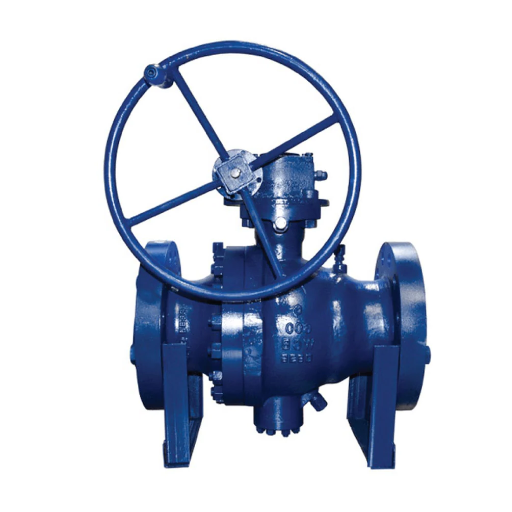
Enhanced Durability with Stainless Steel
The unique properties of stainless steel have led to the use of the material in the manufacturing of flanged ball valves which are known for their exceptional durability. Stainless steel can support very harsh environments such as chemical processing, oil and gas, marine applications, and others. Even the strength of the material decreases the risk of deformation under pressure while the low-maintenance properties of the material contribute to long-running operational efficiency. These are but a few reasons why stainless steel has become the preferred material for those industries that require flow control solutions that are both high-performing and durable.
Easy Installation and Maintenance
Stainless steel’s flow controlling solutions are user-friendly and easy to install, not to mention they do not need much maintenance at all. Their modular designs commonly consist of standardized fittings and components which help in the setup and also cut down the installation time. Lately, it shows that the industries of today care for low-maintenance options. Moreover, the stainless steel’s property of being rustproof and stain resistant keeps the need for cleaning to a minimum and, at the same time, the durability of the material means there will be no repairs for a long time. This combination of ease, efficiency, and longevity has made stainless steel a favorite amongst the professionals who want to save both time and operational costs.
Better Performance in High-Pressure Applications
Stainless steel has made it possible to have better performance in high-pressure applications, thanks to its incredible strength and total resistance to deformation under extreme conditions. The material is widely used in the industries of oil and gas, aerospace, and chemical processing to determine the operability and reliability of the environments through the prevention of accidents. Thus, every time the stainless steel is subjected to high temperatures and pressures, it not only holds its structural integrity but also reduces the chances of failure or leakage. The number of searches for “high-strength materials for extreme conditions” has gone up which reflects people’s increasing interest in strong solutions like stainless steel. One could say this increase in demand is a testament to the unmatched ability of stainless steel to consistently deliver excelling performance thus making it a must-use material for critical applications.
Applications of Flanged Ball Valves
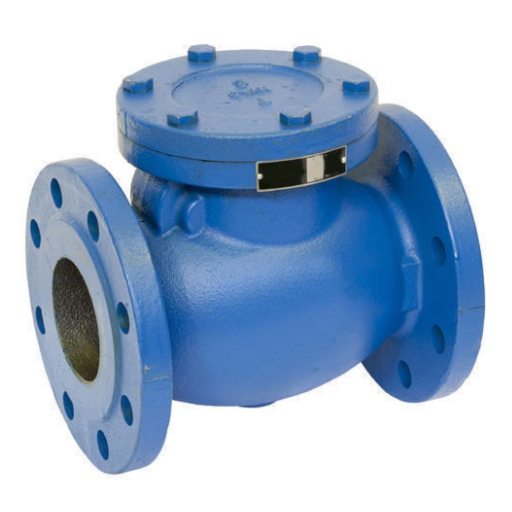
Industrial Uses of Flanged Ball Valves
The use of flanged ball valves is a common thing among the industrial sectors since they are reliable, long-lasting, and offer proper flow control. The applications of these valves cover the whole oil and gas industries, chemical processing, water treatment, and power generation. In addition, these valves are great for regulating high-pressure and high-temperature situations which are sometimes very critical without any risk and they are very precise. Also, their strong construction eliminates the needs for maintenance thus turning them into an economical choice for the industrial activities. Their adaptability and above all, their ability to effectively control a variety of media from gases to liquids and even slurries have made them irreplaceable in the industrial systems.
Flanged Ball Valves in Plumbing Systems
Despite being relatively simple, flanged ball valves are of utmost importance in modern plumbing systems due to their being long-lasting, performing well, and requiring no difficult operating procedures. The water flow control and that of other fluids in both residential and commercial plumbing are the major applications for these valves. One of their significant advantages is that they feature flanged connections which reinforce the leak-proof seal and are also less complicated to install or uninstall for maintenance than the other types of valves. Recent statistics show that they are most accepted in plumbing systems which are designed for high-pressure and high-temperature applications, thus giving reliability and durability. On top of that, flanged ball valves are pipe material compatible; hence, they are a solution that is suitable for varied plumbing needs and they are inclusive of PVC, stainless steel, and copper as well. Their flow rate control ability precisely makes them to be favored in the design of plumbing systems that are efficient and conserve water resources through less wastage.
Role of Flanged Ball Valves in Chemical Processing
In the chemical processing industry, flanged ball valves have become synonymous with providing durability and control over the flow of a variety of chemicals, including those that are corrosive and subjected to high temperatures. Their structure is such that they use materials such as stainless steel, Hastelloy, or PTFE and all of these limit the reactions that would otherwise cause the chemical processes and minimize the risk of leaks or failures. The construction of these valves can endure the rigorous conditions of chemical plants where accuracy and dependability are the primary concerns. Meanwhile, the valves have very little maintenance demanded of them, and yet they can provide tight sealing making them an efficient choice for operations that deal with dangerous or delicate materials. In addition, the development of valve technology through recent innovations like automation and remote monitoring abilities have made the valves even more efficient, thus facilitating safer and more streamlined chemical processing. Flanged ball valves remain critical in ensuring operational integrity in the most challenging industrial settings.
Comparison with Other Valve Types
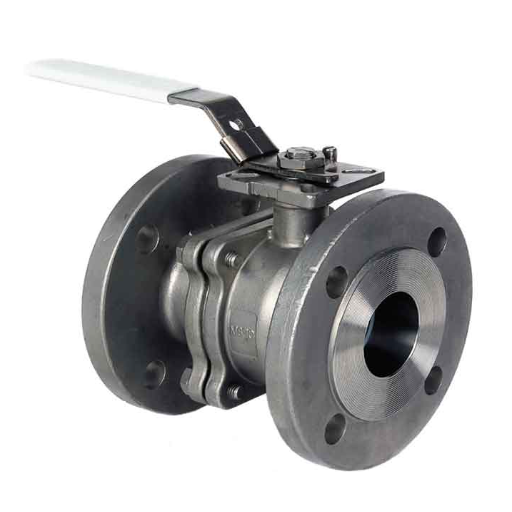
Flanged Ball Valves vs. Valves with Threaded Connections
The evaluation of flanged ball valves and threaded ones considers factors like durability, sealing performance, and maintenance. In industrial settings where reliability and precision are of utmost importance, flanged ball valves are generally the choice. The design of these valves guarantees a strong and tight connection that effectively minimizes the possibility of leaks even if under high-pressure or extreme-temperature conditions. Consequently, they are used mainly in chemical processing, oil and gas, and big pipelines.
In contrast, the valves with threads are more common in small flow and residential situations owing to their easier installation and lower price. Nonetheless, the threaded joints are susceptible to damage and leaking over time, especially if the conditions are corrosive or if there is constant vibration. Furthermore, taking the valve apart for maintenance can be more difficult compared to simply bolting and unbolting of flanged valves.
Flanged ball valves are still the best even with thread connections now and then, and that is the reason of their making to be the best in difficult places, the safety, life span, and performance is the best. For non-critical, low-pressure applications that would use threaded connections, flanged designs are still the ones that industries requiring strong and efficient solutions often go with as their first choice.
When to Choose Flanged Over Other Valve Types
When an application requires high pressure, high temperature, or absolute reliability, one should pick flanged valves over others. Their strong bolted connections provide such a leak-free seal that industries like oil and gas, chemical processing, and power generation can rely on them. Furthermore, flanged valves are the best choice if the process calls for regular maintenance or replacement, as they are easier to disassemble than welded or threaded valves. The strong construction and capacity to hold extreme conditions make flanged valves the superior option in difficult operating environments.
Cost Considerations for Flanged Ball Valves
Flanged ball valves are initially more costly than other types of valves because of their strong construction and the need for accurate manufacturing. Nevertheless, the durability, reliability, and easy maintenance of flanged ball valves, among others, usually outweigh the costs leading to a better investment return for heavy-duty industries where high pressure or corrosive conditions are commonplace. Although the installation may include additional costs and labor, the long-term advantages of less downtime and longer life span make flanged ball valves a financially savvy choice for demanding applications.
Reference Sources
Understanding Flanged Ball Valves: Key Features and Applications
This article explains the structure and components of flanged ball valves, highlighting their secure bolting mechanism for pipelines.
Source
Learning More About Flanged Ball Valves
This resource discusses the functionality of flanged ball valves, including their design simplicity and ability to shut off flow from both directions.
Source
The Importance of Flanged Ball Valve for Leakage Prevention
This blog emphasizes the role of flanged ball valves in preventing leakage, withstanding high pressure, and reducing downtime.
Source
Frequently Asked Questions (FAQs)
Why are flanged ball valves used for piping systems?
Flanged ball valves are utilized in different piping systems as flanged ends provide a leak-proof connection that can be easily bolted and unbolted for maintenance. The design of the hollow ball and valve seat within the valve body not only reduces leakage but also guarantees reliable sealing performance, a requirement in the petroleum and pharmaceutical industries. The application of strong materials such as carbon steel, alloy steel, or stainless steel increases the durability and life of valves with varying psi ratings. Along with full port valves and different types of ball valves, flow control with little pressure loss is possible, and thus, the valve does not significantly on the flow of fluids. The flange arrangement also facilitates easy maintenance and replacement of valve stem that rotates around the ball whenever the handle or actuator actuates the valve.
How does a flanged connection improve overall safety?
A flanged connection offers a strong mechanical bond that reduces the risk of leakage compared to the other options, namely threaded valves or welded connections, which, in turn, enhance safety for the pressurized systems. Also, ball valves are manufactured in different materials e.g., stainless steel or alloy, so operators can choose through the different options according to the specific service conditions. The flanged interface that is guaranteed by the sealing performance of the valve body minimizes the chance of the inadvertent discharge of harmful substances. With the flanged ends, it is simply a matter of inspecting the valve seat design and performing easy maintenance on the worn parts, which in turn extends the service life and lessens the maintenance requirements. The ability to quickly open or close with a quarter-turn motion and to replace components is a significant safety and operation benefit for critical applications in the oil and pharmaceutical industries.
Are flanged ball valves better than threaded valves for high-pressure systems?
Yes, valves in high-pressure systems normally preferring flanged ball valves over threaded valves as flanged connections are more reliable for high psi and mechanical stressed situations. Flanged connections between valve body and ends perfectly handle the distribution of mechanical forces, thus, they are suitable for alloy and carbon steel constructions that are strong enough to withstand high pressures. Flanged design also allows the selection of different sizes for the flanges and also compatibility with various ball valve flange type that corresponds to the piping flange standards, thus, lowering the risk of mismatching. Also, ball valves generally have a hollow ball and valve seat that result in very little pressure drop and enable quick quarter-turn operation to open and close the flow. Maintenance of flanged valves is not much of a problem due to the easy access provided to the internal parts like the valve stem and seal, which consequently prolongs the life of the valve.
What materials are flanged ball valves available in and when is stainless steel ball valve preferred?
Ball valves can be made of different materials such as carbon steel, alloy steel, and stainless steel, etc. to accommodate different kinds of chemicals and temperature conditions. Stainless steel ball valve variants are preferred in pharmaceutical industries and corrosive service because they resist contamination and corrosion while offering reliable sealing performance. For abrasive or high-pressure petroleum service, alloy or carbon steel may be selected for the strong materials and higher mechanical strength. The type of valve and valve materials chosen influence valve seat design, overall safety, and minimal pressure drop during operation. Selecting the right kind ball valve and material also affects maintenance needs and the expected service life of the valve.
How does the design of a flanged ball valve minimize pressure drop?
The hollow ball and full port valves design minimize pressure drop by offering a straight-through flow path when the valve is open, so the flow of fluids is less restricted compared to some other type of valve. Within the valve body, the smooth bore and compatible valve seat design reduce turbulence and energy loss, thus maintaining system efficiency even at higher flow rates. Ball valves typically provide quarter-turn operation to open or close quickly, which is useful for controlling the flow with minimal transients. Choosing the correct ball valve flange type and ensuring proper sizing within the range of flanged options further reduces unnecessary losses. Using appropriate valve materials like stainless steel or alloy also preserves surface finish and reduces wear that could increase pressure drop over time.