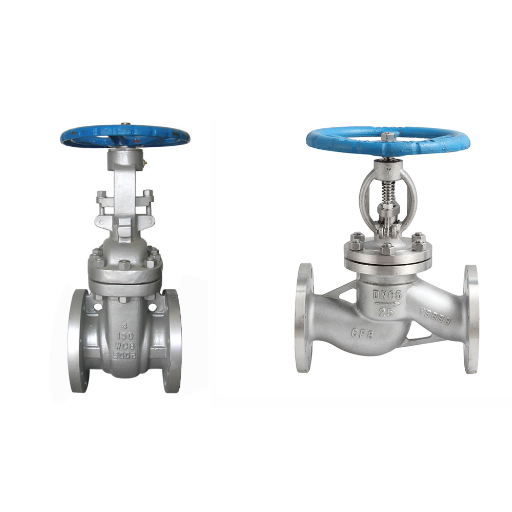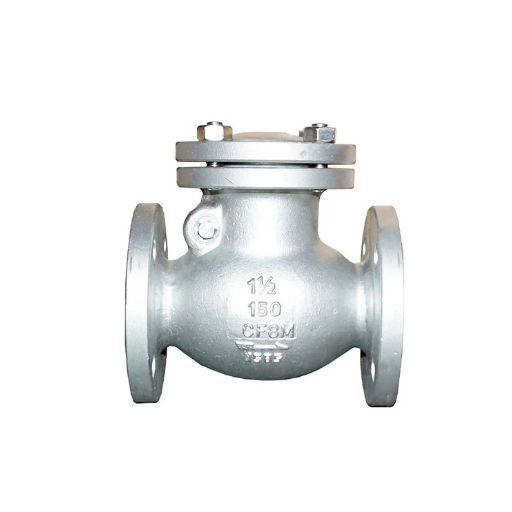
The working of valves comprises anything that controls the flow of liquid, gas, and other materials in various industrial applications. However, to maximize efficiency, durability, and safety, one needs to choose the correct type of valve connection-flanged or threaded. Flanged valves are a good choice whenever high performance is deemed necessary due to their rugged design and ease of installation. So, the bigger question is, how do they compare with the threaded ones, or perhaps when do you choose one over the other? This article focuses on the major differences between flanged and threaded valve connections. When to use flanged valves, so that you may apply such understanding to fit your needs. Whether you are an industry expert or just starting to investigate valve systems, this document will definitely arm you with clarity and knowledge.
Introduction to Flanged Valves
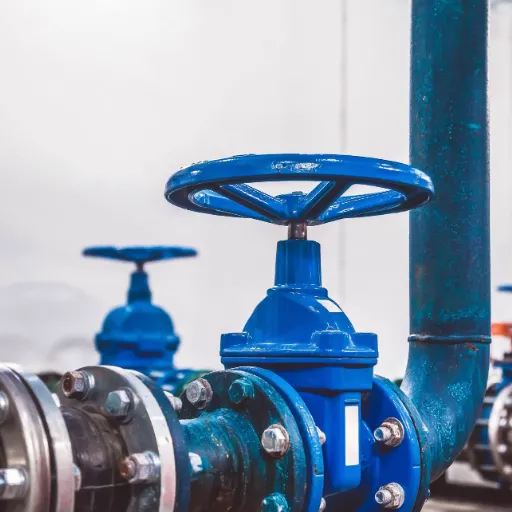
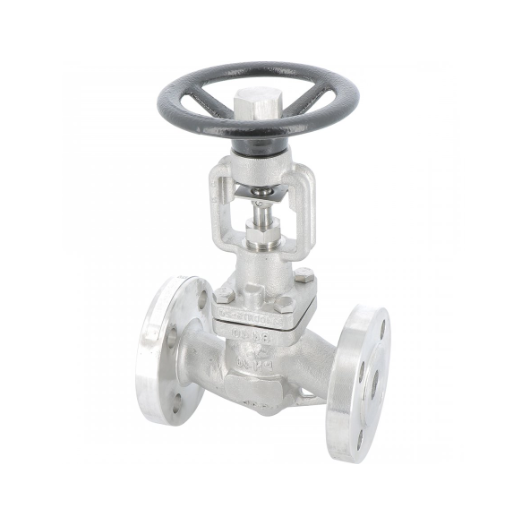
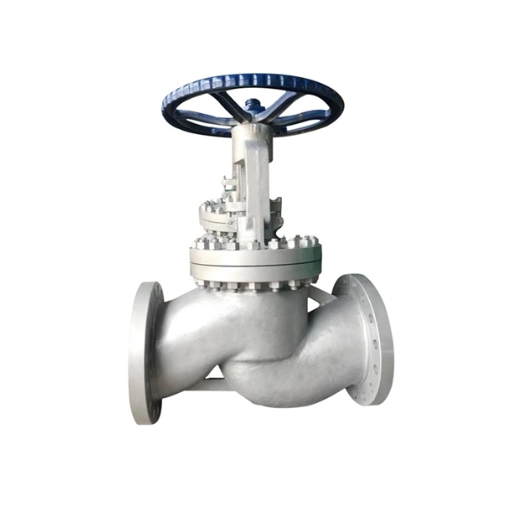
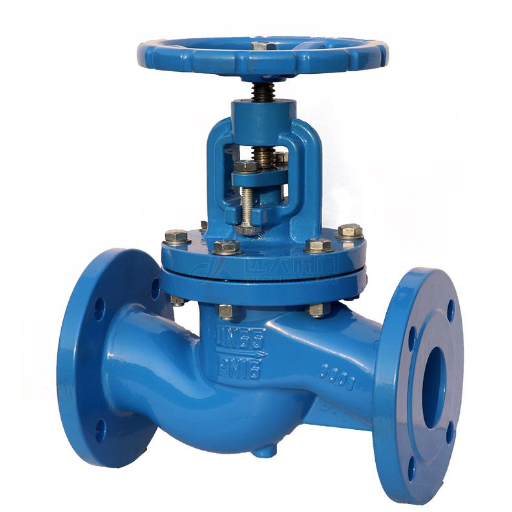
The name Flange Valve is given to a valve with flanges on it, which enable it to be connected to piping systems safely and reliably. They are more often used in situations that call for maintenance, inspection, or replacement with relative frequency since they are easy to install or remove. Because of their bolted construction, a flanged valve will seal in such a manner that there will hardly be any leakage, even under high pressures. Due to their robustness and resistance to extremes of temperature and pressure, flanged valves are favorites in industrial setups like oil and gas, chemical processing, and water treatment establishments. Their sturdy joints are also less prone to hear faults, thus making them a reliable fit in heavy-duty systems.
What is Flange Valve?
Depending on the flanges attached at the ends, two types of flange valves are available: one with stationary or solid flanges and the other with loose or slip-on flanges. Both types have the ability to be installed on the pipeline with bolts.
Flange Valve Standard
The valves with flanged ends have a flange on either side of the valve, which are bolted on with a corresponding flange of the piping system with nuts and bolts. This type of connection offers the best in terms of sealing and is best capable of resisting very-high pressures and temperature extremes. Therefore, the flange valves are used where the industrial function demands durability, easy maintenance, and, most importantly, the highest level of sealing, such as in oil and gas, chemical processing plants, and water-treatment systems. The design offers maximum stability to the valve and avoids any chances of leakage or operational failure. Thus, they are regarded as the valve of choice facing demanding conditions.
Types of Flanges Used in Valve Connections
The connection for valve flanges consists of a wide array of types, each appropriate for a particular application or requirement. Among others, weld neck is used when strength and resistance to very high pressure and temperature are required; slip-on flanges are easier to install and more suited for low-pressure systems; and socket weld flanges are used when a strong connection is needed, generally for smaller piping systems. Threaded flanges can be used in low-pressure systems where easy installation is a must, whereas lap joint flanges fit systems where disassembly is needed often for maintenance. Usually, the pressure rating of the flange is taken into consideration, along with operating conditions and accessibility.
Difference Between Flanged and Threaded Valves
These valves are different mainly in terms of connection and applications. Flanged valves include bolted flanges to connect to the piping system. They offer a very tight and secure seal and are decent enough for high-pressure and temperature applications. Their biggest advantage is that they are easy to disassemble for maintenance, although they require more installation time and space. A threaded valve carries threaded ends that can be screwed directly onto the pipes, allowing it to be installed quickly and simply. They should be used in low-pressure systems and small pipe sizes and require great caution to avoid leakages due to improper threading. Thus, choosing between these valve types varies with the system requirements concerning pressure, temperature, and accessibility.
| Feature | Flanged Valves | Threaded Valves |
|---|---|---|
| Connection Method | Bolted flanges | Screwed threads |
| Pressure Rating | High-pressure applications | Low to moderate pressure |
| Temperature Rating | High-temperature capable | Limited temperature range |
| Installation | Requires more time and space | Quick and simple |
| Maintenance | Easy disassembly | Requires caution |
| Sealing Quality | Superior, leak-free | Risk of leakage if improperly threaded |
| Cost | Higher | Lower |
| Best For | Large pipes, critical systems | Small pipes, simple systems |
Flange Gate Valves
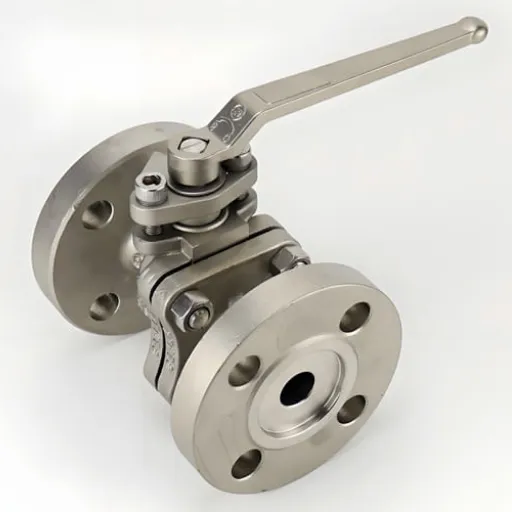
Flanged gate valves are used extensively for industrial applications because of their durability and effectiveness in flow control. The valves are connected to pipelines through flanged ends, ensuring that full bore leakage does not occur at the pipe joints. The blocking plate or gate of the gate valve is raised or lowered to allow or block the fluid flow and is therefore used for systems working at a high pressure and temperature. Flanged gate valves find use mainly in oil and gas sectors, water treatment, and power generation industries, because of reliability and ease of maintenance.
Operation of Flanged Gate Valve
Variations of gates are used in the operation of a flanged gate valve. A flat gate or a wedge-shaped gate moves up and down to regulate the flow of fluid in a pipeline. Once fully raised, the gate provides an unobstructed passage to the fluid. The low-pressure drop and consequent good flow behavior result from having a clear path. Conversely, the flow is stopped when lowered fully. Because of this simple design, they are best suited to fully turning on or turning off applications, as opposed to flow regulation. This also makes them capable of sealing against very high pressures and temperatures, making them a necessity in many industrial systems.
Applications of Flange Gate Valves
Because of their sturdy design and good performance, flanged gate valves find certain industrial applications. They are usually present in oil and gas pipelines, chemical plants, water treatment plants, and power generation. These valves find themselves suited to services that require full flow with no interruption or complete shutoff, such as isolation of fluid in pipelines and high-pressure systems. Apart from that, they work well for a wide variety of fluids, from liquids and gases to steam, thus serving as diverse parts in challenging environments. The ability to operate at high pressures and temperatures makes them highly valuable in different industries.
Advantages of Using Flange Gate Valves
- ✓Robust construction guarantees prolonged operation under heavy pressure with high temperature
- ✓Ensures airtight sealing in closure, eliminating leak occurrence
- ✓Versatile – can handle any media: liquid, gas, or steam
- ✓Limits fluid pressure drop during operation
- ✓Easy valve movement makes them a preferred choice for systems requiring good flow control and fluid isolation
Threaded vs Flanged Connections
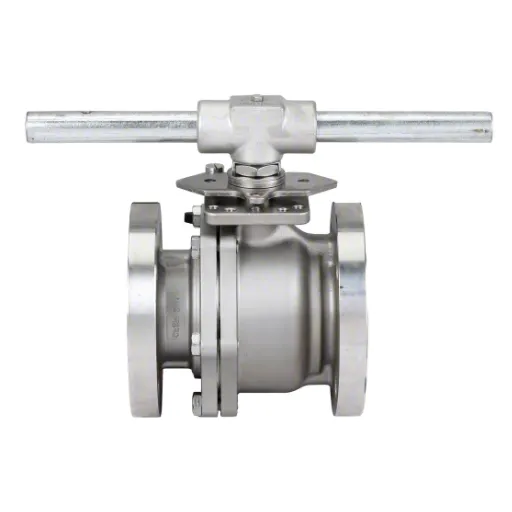
Threaded and flanged are two commonly used techniques for joining pipe systems.
Threaded Connections
Can become very simple and very cheap. This makes them very suitable for smaller pipe sizes and low-pressure systems. Assembly and dismantling are very easy; however, under a high-pressure or high-vibration condition, they are likely to get leaks.
Flanged Connections
Provide the strongest and most reliable connections for large-sized piping and high-pressure systems. Due to this, maintenance and replacement are easier compared to the threaded ones. On the flip side, they require more installation space and may be very expensive compared to the threaded ones.
Decision Criteria: The choice between the two rests upon some aspects like pressure of the system, pipe size, and maintenance requirement.
Understanding Threaded Valve Connections
Threaded valve connections today are typically used with small pipe systems in scenarios of low-to-moderate pressure. Since they are compact and cheap, they are very useful in situations where there is an acute shortage of space, and of course, low expenditures are desirable. One major disadvantage of the threaded connection is limitation under extreme forces plus temperature or extreme vibration, creating easy leakage. Hence, the decision of using threaded connections depends mostly on such conditions in place, and the factors of installation and cost.
When to Choose Flanged Over Threaded Connections
In high-pressure, high-temperature, or relatively vibration-prone zones where heightened reliability and strength are necessary, flange connections are typically preferred over threading. They provide superior strength with sealing that is essentially leak-free and are easily assembled and dismantled for maintenance in large piping systems. In fact, for systems requiring frequent checking and alteration, flange connections are best suited and provide more flexibility and accessibility. While they are pricier and demand more space, their credible performance under highly demanding operating conditions largely justifies the expense.
Comparative Analysis of Flanged and Threaded Connections
The main difference between flanged and threaded connections lies in their different applications and advantages. Flanged connections are suitable for high-pressure and high-temperature systems by virtue of their strength, good sealing, and the ability to mate with larger pipe sizes. They are thus most suitable in locations where maintenance, inspections, or any modifications have to be done quite frequently, as they can easily be joined and separated. Threads, on the other hand, are economical and compact-fitting; thus, they fit into small piping systems and low-pressure applications. In exception to conditions of average demand, they are most suitable to avoid leakages as compared to flanged connections. Generally, one must consider the system requirement, operating conditions, and budget while choosing between flanged and threaded connections.
Installation Considerations
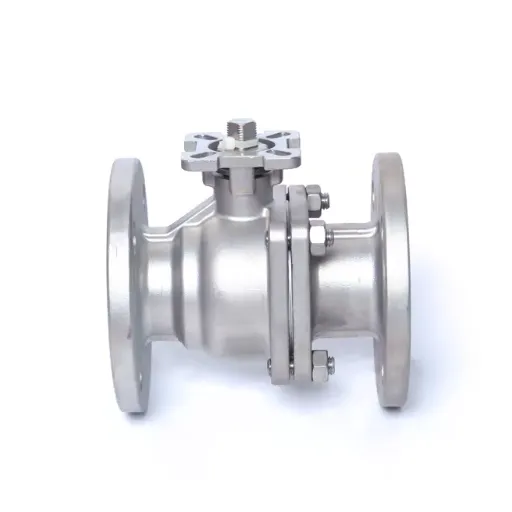
Once installation has been considered, one should make provisions for the piping system requirements. In the case of installing flanged connections, one must align the flanges properly with the right gasket to prevent leakage. Bolting can proceed with cross-pattern tightening so that even pressure is applied on the flange joint. Threaded connections require the application of sealing substances, such as thread tapes and pipe dopes, for the enhancement of leak resistance. Avoid over-tightening as this can cause damage to the threads. The selection of connection type must, therefore, consider the conditions of operation, ease of maintenance, and budget available for a well-trusted and efficient system.
Preparing for Flanged Valve Installation
Several things need to be ensured before the flanged valve installation: the correct preparation must be carried out, providing for a firm and efficient connection. Check for any dents, dirt, or irregularities on the valve and on the flanges which could affect performance. Make sure that the face of the flange is clean and flat without any imperfections. Ensure that the gasket material is suitable for the temperature and pressure conditions of the system, as well as for the type of fluid or gas involved. Check for the proper alignment of bolt holes and verify that the bolts, nuts, and washers are not damaged and conform to specifications. Proper preparation reduces the chances of leakage, subsequent down time, as well as prolonging further life of the flanged connection.
Installation Checklist:
- Check valve and flanges for dents, dirt, or irregularities
- Ensure flange faces are clean and flat
- Verify gasket material suitability for temperature and pressure conditions
- Check proper alignment of bolt holes
- Verify bolts, nuts, and washers are undamaged and meet specifications
Choosing the Right Actuator for Flanged Valves
In choosing the correct actuator for flanged valves, factors such as the nature of the valve, the operating torque, and the system’s requirements must be considered. An assessment should be made as to whether a pneumatic, electric, or hydraulic actuator best suits the pressures, temperatures, and frequencies of operation that are to be encountered under the operating conditions of the application. The actuator must provide enough torque to assure proper and firm operation of the valve without ever risking an undesirable loading of the mechanism. Other factors such as the compatibility of the actuator and its control system, along with environmental considerations concerning corrosion, must be taken into consideration in order to obtain the best performance and greatest durability from these components. Well-selected actuators will, in turn, guarantee operational efficiency and long durability of the flanged valve system.
Common Mistakes of Flanged Valve Installation
⚠ Avoid These Common Errors:
- Misalignment of flanges: Can cause leaks or mechanical stress on the valve or pipeline. Flanges must be parallel and properly aligned to ensure a tight seal.
- Incorrect gasket material use: Using wrong gasket material or reusing old gaskets compromises the seal.
- Improper bolt tightening: Either over-tightening or under-tightening the bolts causes uneven pressure and hence leaks.
- Dirty flange faces: Failing to clean the flange faces well before installation may cause debris in between causing poor sealing or damage to the components.
- Skipping pressure testing: Missing out pressure testing after installation leaves leaks to go undetected, making operational issues just that much more likely.
Conclusion
Some Final Points Concerning Flanged and Threaded Valves
In general, the flanged and threaded valves are essential components within industrial systems, so their installation, maintenance, and servicing methods are of utmost importance for system efficiency and safety. Flanged valves offer a good sealing and strong construction for high-pressure and high-temperature applications, while threaded valves provide ease of installation and support low pressures. Proper installation entails cleaning flange faces, tightening the bolts evenly, and conducting a thorough pressure test to prevent any leakage that can cause operational inefficiency or outright damage to a component. Therefore, selecting the correct type of valve under given circumstances and honoring the best practices ensures that the system lasts and works reliably over time.
Some Best Practices in Selecting a Valve
It is important to consider the special requirements of an application, such as pressure, temperature, or type of fluid, when choosing the correct valve for a system. Consider the compatibility of the valve material with the fluid so conversion processes from corrosion to degradation of the material cannot occur. Choose the valve types as per the requirement, such as flow control, flow isolation, or pressure control. Treatment of maintenance ease, installation constraints, and operational needs over the long run to realize great efficiency and reliability. Proper testing and following manufacturer’s instructions will yield better system performance.
Future Trends in Valve Technology
Integration of smart and automated systems is increasingly driving valve technology advancements. Currently, valves are being equipped with sensors and IoT capabilities that allow them to monitor and conduct predictive maintenance in real time, thereby promoting greater efficiency and fewer interruptions. On the other hand, enhancements in materials science technology are pushing towards the creation of materials capable of resisting corrosion and the environment for even better valve longevity and performance. The rising concern for sustainability is leading to improved energy-efficient and greener valve designs. As industry gearing towards digitization, use of AI and ML in valve systems will take the next step in optimizing operations and predicting failure possibilities before they actually occur. These trends are trending toward a future where valve technologies serve both industrial needs as well as accommodate newer environmental and operational demands.
📚 Reference Sources
-
Tameson: A detailed comparison of flanged valves and threaded valves, explaining their installation and applications. Read more here1.
-
Dombor: A comprehensive guide to flange valves, discussing their use in HVAC systems and other applications. Explore the guide here2.
-
Eng-Tips Forum: Insights into the use of flanged valves for high-pressure and high-temperature applications, highlighting their sealing advantages. Check it out here3.
- Top Flange Valve Suppliers in China
Frequently Asked Questions (FAQs)
❓ When to choose flanged valves versus threaded valves?
Flanged valves are preferred when larger pipes are involved and a tighter seal is needed. Since flanged connections distribute stress evenly across the valve body, they provide good strength and stability in high-pressure applications. They are also preferred for maintenance and replacement activities, as flanged valves can come apart without cutting the pipe. Threaded valves, on the other hand, are considered more advantageous under situations involving small pipes. Definitely, the decision over which to use depends on the specifics of the system at hand, with regard to rated pressure and flow rate considerations.
❓ What are some advantages of flanged ball valves?
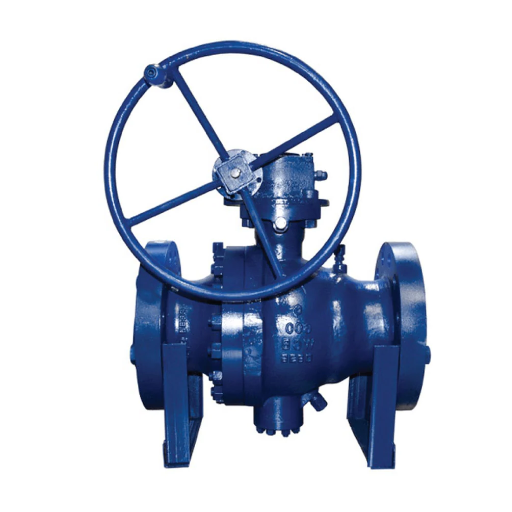
The reasons these types of ball valves are widely used are because they provide very tight shut-offs and ease of operation. They have a spherical disc that stops or allows flow of fluid through them, hence giving them an application in water and gas services. The flanged connection allows for installation and removal with ease, thus making maintenance easier on the side. Apart from the ease of maintenance, flanged ball valves with a strong design shall last long and hence will not leak for any period of time. They are versatile enough to fit in high and low pressures, and can serve a wide range of fluids.
❓ How do you select the appropriate flange rating for your particular service?
Pick a flange rating appropriate to the pressure and temperature environment in which the application will operate. Flange ratings, from class 150 through class 300, indicate the maximum pressure with which a flange may be subjected at a specific temperature. Therefore, its rating should correspond to expected operating conditions with a view to safety and security. The valve company should be able to assist in selecting the correct rating for your needs. Nevertheless, you should also consider the construction of the flange, usually carbon steel or stainless steel, as it may be a factor in selection.
❓ What does a pipeline system use flanged valves for?
Typically, these valves control flow in a pipeline, opening or closing it completely with flanged valves with the effect of controlling a flow rate for system functioning efficiently and safely. The flanged connection ensures a strong fitting onto the pipeline that does not leak and maintains the integrity of the system. Depending on the kind of flanged valve used, such as globe type and check type, the valve can also be useful to prevent reversal of flow or to keep certain pressure at the downstream side of the valve. Due to their reliability, they find more applications mainly in water treatment plants and air conditioning plants.
❓ What are the distinctions between flange valves and weld valves?
The primary difference between flanged and welded valves lies in the method used to attach the valve to the piping system. The flanged valve uses two flanges bolted together to allow easy installation and maintenance. Welded valves require the valve body to be welded directly to the pipe. Flanged valves are more versatile as they can be easily replaced without cutting the pipes, thus ideally suited for temporary setups or maintenance works. On the other hand, welded valves offer permanency by providing strength and resisting pressure. Depending on system requirements and the applications being considered, a choice is made.