The correct valve for industrial piping systems can significantly impact their performance, efficiency, and reliability. Flange globe valve and flange ball valve, both frequently used, are completely different in what they are intended to do and in their features as well. So, what is the deliverable criteria from the valves based on your requirements? The article gets into the core differences between these two valvular types, analyzing their structure, function, and preferred use. If you are a veteran industry person or a beginner noob, we will let you in on the vital aspects to be aware of so that you can choose wisely. We are here to take you through the road of these valve distinctiveness and help you find the right one for your piping system.
Introduction to Valves
Valves are devices of a mechanical nature that manage the flow and pressure of fluids in a particular system. Their presence is very crucial in industries like oil and gas, water treatment, and manufacturing. The way valves function is they open, close, or completely block the pathways to control the flow in a system. Ball valves and gate valves are the two most popular types with each designed specifically for different applications based on variables like accuracy, strength, and energy expended. To sum it up, knowing the primary function and reason for the existence of valves is a major factor in securing your desired one for the system.
What is the Definition of a Valve?
A valve represents a mechanical device that serves the purpose of regulating the flow and pressure of fluids, gases, or slurries within a system. Its operation consists of opening, closing, or partially blocking the passageways, thus managing the movements and keeping the system working perfectly and securely. Valves are the essential parts of different industries that are able to cope with the flow with accuracy and strength, having been designed for specific applications.
Importance in Piping Systems
Valves provide an essential function in piping systems which is the transfer of liquids, gases, or slurries in a controlled and efficient manner. They are also helpful in control of pressure, prevention of backflow, and isolation of parts for maintenance or emergencies thus reducing the time the system is out of operation. The system could end up being slow, unsafe, or fail to function if it doesn’t have valves working as they should. However, their preciousness to the oil and gas industries, water treatment, and manufacturing is mainly due to their ability to cater to various uses.
The Character of Flange Valves
The flange valves come with flanges fitted at both ends, therefore, being attached to the pipes using bolts securely. Although they are affixed, their function as the piping systems’ flow controllers is not compromised since they are still very much versatile and can be used with different types of fluids including liquids, gases and slurries. In addition, flanged connection design guarantees no leakage occurrence as well as easy installation or disassembly which in turn makes the operation of maintenance and repair less complex. Flange valves are of different kinds, e.g., gate valves, globe valves, and butterfly valves, which do the same job of controlling and directing the flow but in different ways depending on the operation needs. Their toughness and dependability are the reasons why they are often used in the oil and gas, water distribution, and chemical processing industries.
Types of Flange Valves
Gate Valves
Gate valves are meant for total shutoff or opening, therefore excellent for flow isolation in pipelines.
Globe Valves
Globe valves are employed for flow control and provide great accuracy in systems where restriction is necessary.
Butterfly Valves
Butterfly valves are characterized by fast opening and shutting and can be used in applications of having a small size and weight.
These kinds of valves are generally utilized for their robustness and efficacy across different sectors.
Flanged Globe Valve
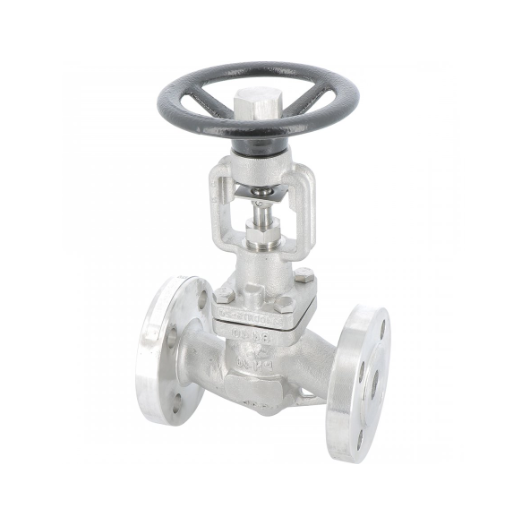
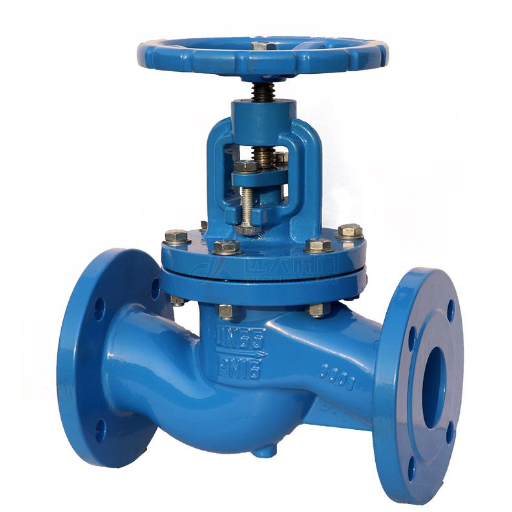
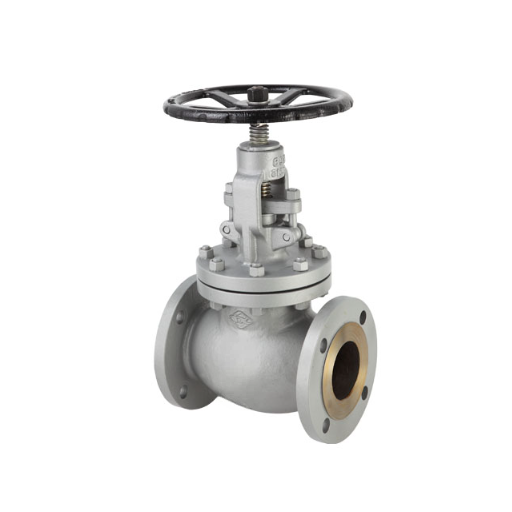
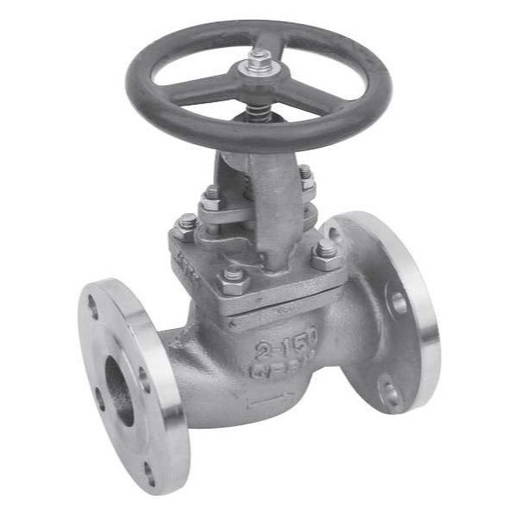
Flanged globe valves have a very good reputation for excellent industry practices and are thus widely used for regulating and throttling flow with high precision. They come with flanged ends, which help installation and maintenance become very easy, at the same time ensuring an unbreakable,non-leaky connection in the pipeline systems. Such types of valves are more common in moderate to high-pressure conditions and have been a source of reliability and efficiency in oil and gas, chemical processing, and water treatment industries. Their solid structure and versatility contribute to their being the best option in systems that demand accurate flow regulation.
Flanged Ball Valve
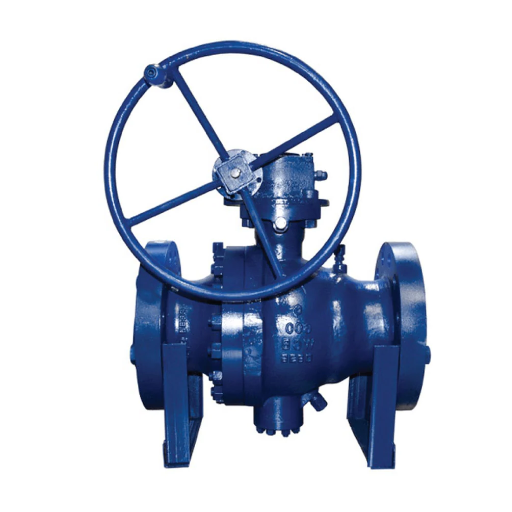
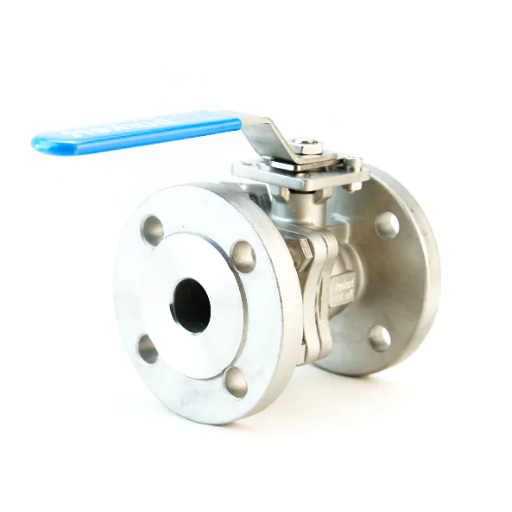
Flanged ball valves have been developed for quick flow management through a simple mechanism that works well. It is a rotating disc with a central hole, and the valves can let the fluid pass through or stop it by positioning according to the pipeline whether the hole is aligned or misaligned. They are capable of maintaining their durability and sealing properties over a long time and therefore, are very leak-proof, which makes them suitable for high-pressure and high-temperature situations. They are used in a very wide range of industries such as oil and gas, chemical processing, and marine operations, where not only reliability but also ease of operation are significant factors. Besides, their flanged ends guarantee a solid and uncomplicated installation that will lead to an effective integration into various piping systems.
Comparison of Different Types of Flange Valves
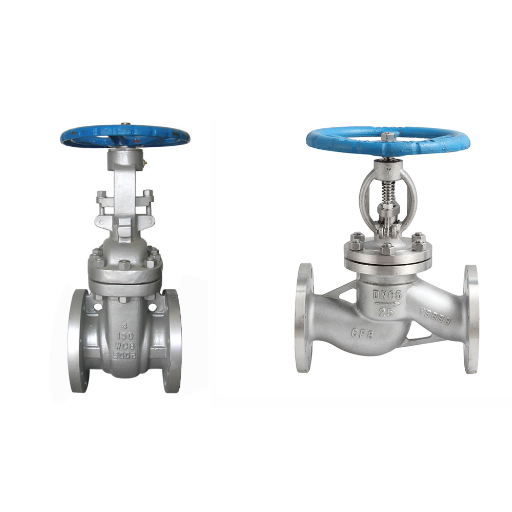
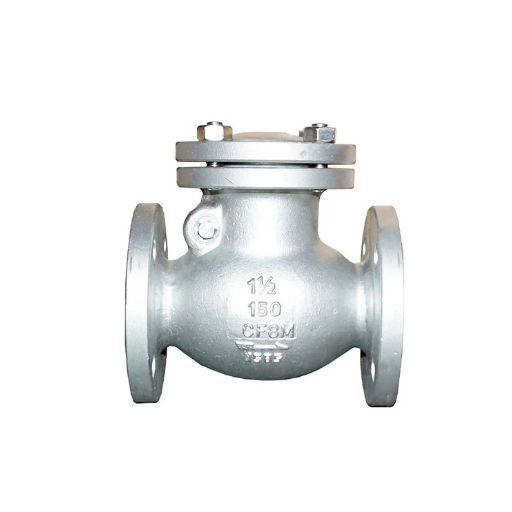
Flange valves consist of different kinds, each with its unique features and advantages depending on the application. For example, the gate valves are perfect for on-off control and extremely effective in systems that require tight shut-off. The globe valves, by contrast, provide an excellent regulation of the flow, which makes them suitable for throttling applications. The check valves permit the flow in one direction only and, therefore, are the means to prevent backflow in essential systems. The butterfly valves are, in fact, very light, have low cost and give fast and easy operation. Large-diameter pipelines are thus their ideal applications. Every type of flange valve has certain exceptional features and is specified according to parameters such as pressure ratings, temperature conditions, and the desired level of flow control.
Understanding Flange Connections
The flange connections can be viewed as a secure and reliable way to join different piping elements like pipes, valves, or equipment. The connection comprises two similar flanges that are bolted together, and in between is a gasket that provides sealing and at the same time absorbs any slight misalignment. The arrangement of parts in the system makes it easier to put the system together and to disassemble it as well as to maintain it through easy access to piping systems. Among the different industries which flange connections are utilized, the most notable ones are oil and gas, water treatment, and manufacturing, where durability and leak prevention are considered paramount.
Flange Connections Classification
Flange connections can be classified into several categories based on the different types of connections and the area of application. The most widely used kinds of flanges include the weld neck type, which is recognized as the best for high-pressure situations because of its design that allows for even stress distribution through a tapered hub. The next type, slip-on, is more convenient in terms of installation as it only requires the sliding of the flange over the pipe and then welding it to the pipe finally. However, if the piping system needs to be sealed, then blind flanges should be used as they allow for future changes in the system to be made easily. Moreover, the socket weld and the threaded flanges are two other types of flanges that are commonly used in high-pressure small-diameter and low-pressure applications, respectively. Each type of flange connection meets specific operational requirements while ensuring safety and reliability at various industrial locations.
Explanation of End Connections
End connections are essential elements in piping systems that provide firm and efficient assembly of the different pipes and fittings. The end connections consist of welding, threading, and flanging, and are each designed to suit different operating conditions. Welded connections including butt welds and socket welds, are strong and leak-proof and thus suitable for high-pressure and high-temperature environments. On the contrary, threaded connections facilitate quick assembly and disassembly; thus they are appropriate for low-pressure environments where maintenance or changes of frequently used parts are anticipated. Flanged connections offer the capability to use different kinds of piping materials, as well as making disassembly for inspection or alterations easy. Proper end connection type selection can result in significant efficiency, safety, and longevity of the piping systems in the industries.
Flanged Connection Benefits
Flanged connections are known for their many advantages, which make them not only practical but also economically attractive for industrial applications of all kinds. They permit the fast and easy assembly and disassembly of the whole system, thus maintenance, inspections, and repairs become over-all less taxing and quicker. Besides, the connection type has a very solid and leak-proof seal that can withstand high-pressure and high-temperature conditions. Also, flanged connections are extremely flexible, allowing different pipe sizes and materials, and making them ideal for systems that require regular alterations or expansions. Such qualities as dependability and versatility, together with the attraction of the piping systems, characterize the flanged connection as the one to be preferred for the piping systems that will last.
Globe Valve vs Ball Valve
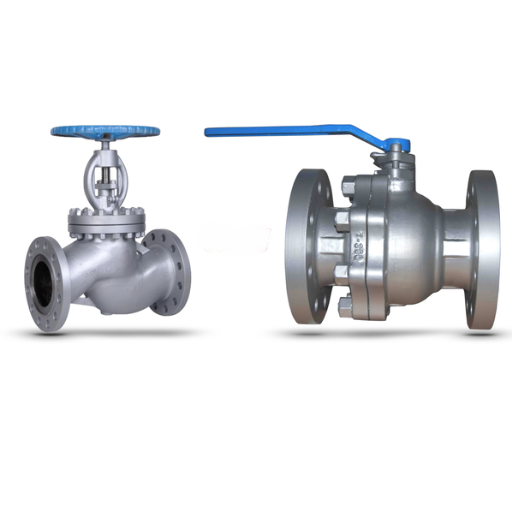
In the case of a globe valve and a ball valve, both are frequent types of flow regulators in pipeline systems, but their use is based on their design and performance.
The Globe Valve: The valve with the globe shape is mainly for flow regulation and is very good in throttle applications. The precise construction allows for controlling the rate of flow very accurately. So it’s perfect for high accuracy situations. But on the other hand, it usually causes more pressure drop due to the path of the flow.
The Ball Valve: A ball valve is quick and effective control of the flow through the use of a rotating ball with a hole in it, and is mostly meant for on/off applications. It gives a proper seal with very low leakage. Ball valves are also good for tough handling in terms of pressure and volume.
The choice between the two should be made on the basis of the requirements of the system, for example, if it is necessary to have throttling (globe valve) or very fast and reliable shutoff (ball valve).
Flow Control Mechanisms
The selection of a flow control mechanism should be based on the particular needs of the system. If very precise throttling or flow regulation is required, a globe valve is the best choice as it offers great control of flow with accuracy. But if your application calls for quick and reliable shutoff with minimal leakage, a ball valve is more appropriate since it provides durability and effective sealing even in high-pressure conditions. By analyzing the operational requirements, including pressure, volume, and precision of control, you can easily tell which type of valve will perfect your system’s functionality.
Applications and Use Cases
Globe valves can be spotted in widely used control circuits that require exact flow regulation, steam operations, cooling systems, and chemical processing areas. Their strong points in Flow Regulator Applications encourage the deployment of valves in such sectors. In contrast, ball valves are predominantly used in fast shutoff applications in oil and gas pipelines, water systems, and high-pressure environments. They are able to cope with very demanding operating conditions thanks to their robust design and well-organized sealing methods. Therefore, it is advisable to take the specific system, like the need for precision control or reliable shutoff, into account when choosing the right valve to enhance performance.
Advantages and Disadvantages
The major disadvantages of a valve, namely, wear and tear over time, requiring regular maintenance, and high prices for specific types of specialized valves, could be compensated for by the several approaches mentioned above. Valving in this way definitely depends on a compromise of the system’s requirements, functionality, and long-term costs.
Key Takeaways
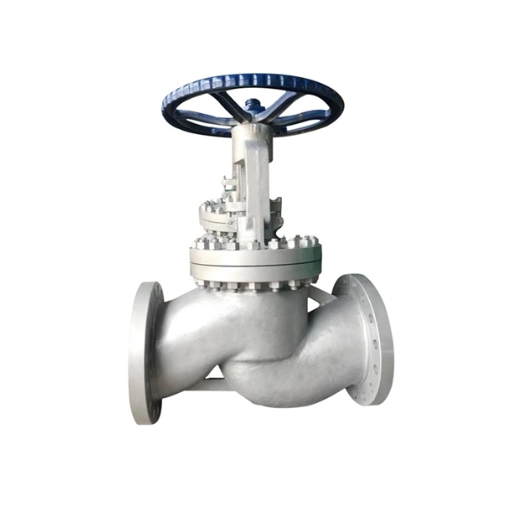
Valves are indispensable in numerous industries as they their main function being, controlling and regulating the flow and pressure of various substances in the system. Though they ensure both efficiency and safety, their usage could lead to extensive maintenance and higher costs depending on the valve’s type; therefore, with all these factors in mind, if the perfect valve is selected, then system demands, durability, and long-term cost implications will be weighed and thus, performance would be optimum.
Choosing the Right Valve for Your Piping System
When selecting the proper valve for your piping system, by first look at the specific requirements of the system, including the fluid type that is being conveyed, the flow rate that is to be maintained, and the temperature and pressure in the operating zone. Think about the valve’s material’s durability so that they can withstand the system’s severity and provide the reliability required for a long time. The working of the valve must, therefore, be ascertained—whether it needs to regulate flow, stop flow completely, or allow for one-way fluid movement. Also, budget considerations encompassing the initial cost, maintenance expenses, and lifespan should be part in the decision. By carefully balancing these criteria, you can select the most suitable valve for optimal system performance and efficiency.
Future Trends in Valve Technology
The valve industry is going through a radical change due to modern technology and changing demands. One of the most important trends is the usage of smart valves with sensors and IoT connectivity in their integration. These intelligent systems relay flow rates, pressure, and temperature data continuously, allowing for maintenance to be forecasted and thus, less downtime. Moreover, there is a trend of more and more manufacturers adopting the use of eco-friendly sources and processes, which since the latter are in line with the world sustainability targets, their usage will only increase. Implementation of 3D printing techniques is another aspect that is causing valve manufacturing to take a new direction by allowing production to be faster and more intricate designs to be made. The fact that Industry 4.0 is around the corner indicates that automation and AI will be the driving force behind the very efficient, adaptive, and self-regulating valve systems of the future. Every now and then, the market is flooded with innovations that ensure valve technology not only keeps up with industrial performance improvements but also caters to the demands of modern infrastructure.
Reference Sources
-
Belimo Blog: “Ball Valves vs. Globe Valves: What’s the Difference?”
This source explains the differences in applications and functionality between ball valves and globe valves.
Read more here. -
ValveMan Blog: “Globe Valve vs Ball Valve Comparison Guide”
This guide compares the installation space, pressure drop, and other technical aspects of ball and globe valves.
Read more here. -
Best Flow Valve: “Globe Valve Vs Ball Valve (Comprehensive Analysis)”
This article provides a comprehensive analysis of the structural and operational differences between the two valve types.
Read more here.
Frequently Asked Questions (FAQs)
What is the distinction between a globe valve and a ball valve?
A globe valve is mainly constructed for flow regulation, thus being proper for the situation that needs the most exact control of the flow rate. However, a ball valve is quite often and basically used for on/off control and very quick operation is among the benefits of this kind of valve as well. As for the flow control, the globe valve is equipped with a disc that goes up and down as the valve opens and closes, and ball valve does the same through the rotation of the hollow ball that is inside of the valve. Globe valves are not only less restrictive but also more effective in throttling applications; on the other hand, ball valves assure a real tight seal and thus are used more often in applications that require a seal. There is no exception in the case of material choices where both valves can be made from various kinds of wood but stainless steel, and both are vital for piping systems.
Which flange valves are most prevalent?
The most common types of flange valves are flanged gate valves, flanged globe valves, and flanged ball valves. Basically, these types of valves are equipped with flanged ends to allow an effortless integration into piping systems. The flanged gate valves are often put to use in on/off situations, while the flanged globe, due to their ability to control flow, are the ones for regulating flow. The flanged ball, on the other side, provides an instant close along with a tight seal and so being in a position for quick shut-off applications. The design and function of flange valves can drastically affect the effectiveness of the piping system; therefore, a good understanding of them is imperative for recognizing the ideal valve for your application.
What is the effect of valve connection types on performance?
Valve connection types, such as flanged, threaded, and welded, are some of the factors that mainly affect the performance of the valve in the end user’s hands, since the view is critical for secure installation that is both leak-proof and aesthetically pleasing. Flanged connections have become the most common connection type due to being easy to install and disassemble, which in turn makes maintenance simple. Threaded connections are generally used in smaller piping systems and take less space than others types. Welded connections deliver the strongest bond and are therefore suitable for high-pressure applications. If you want to get the most out of the service life and performance of the valve throughout the entire system, then choosing the right valve connection type is a must.
What are some of the applications that necessitate a flanged check valve?
Preventing backflow in a piping system is the major reason for using flanged check valves in water and wastewater treatment plants, chemical processing, and fire protection systems, among other applications that need them most. Their easy installation and maintenance, owing to the flanged structure, have made these valves a favorite option with engineers. Flanged check valves are energy-efficient as they are designed to work automatically, preventing the backflow while the forward flow remains. Knowing the specific applications for flanged check valves can be very helpful when selecting the right valve for your needs.
What is the lifespan of globe and ball valves?
The service life of globe and ball valves is quite different depending on their design, material, and application conditions. In general terms, ball and globe valves are always in comparison, where bearing the former in mind gives the latter a shorter service life as the latter is the case with more wear through their regulatory action. The size of the wear would be affected by the pressure and temperature of the fluid as well as its type, too. Regular maintenance combined with compliance to ANSI standards in proper selection can be a good way to prolong the service life of both valve types.