In the industrial arena, one of the most determinant factors that one has to consider is the flange valve selection. It certainly relates to performance, safety, and efficiency the most. With manifold kinds of flange valves out there, each of them tailored for a certain application and working conditions, it is not easy at all to decide which one is the most compatible with your system’s needs. The intent of this article is to give a thorough and detailed overview of the choice of the flange valve. It cannot be imagined that the selection process is just about material compatibility and pressure ratings; flow control functionality and industry standards will also be discussed among the major considerations that will make it easier for you to arrive at a good decision.
Understanding Flange Valves
Flange valves function as the mechanical barriers of the pipe system which can either permit or stop the flow of fluids. They are characterized by flanges on both sides, which allow connecting them to the pipeline components safely by bolting. The foremost reason for the existence of the flange valves is the creation of a trustworthy and resistant seal under all sorts of operating conditions. Their unfailing performance has enabled the use of flange valves in industries like oil and gas, water treatment, and chemical processing, where they suffer a lot but are seldom replaced. Choosing the right flange valve is a comprehensive process that takes into consideration the materials, pressure rating, and flow of the system.
What is a Flange Valve?
A flange valve is specifically a valve that has flanged ends to make bolted attaching to pipelines or other system parts sturdy. These valves are built to control, separate, or direct fluid flow in the system and at the same time keep a leak-proof seal. Flanges are made of stainless steel, carbon steel, or alloy depending on the ability of the valve to sustain certain pressure and temperature conditions. Their flexibility and strong construction make them commonly used in many industries, especially in those places where durability and reliability matter most.
Types of Valve and Their Applications
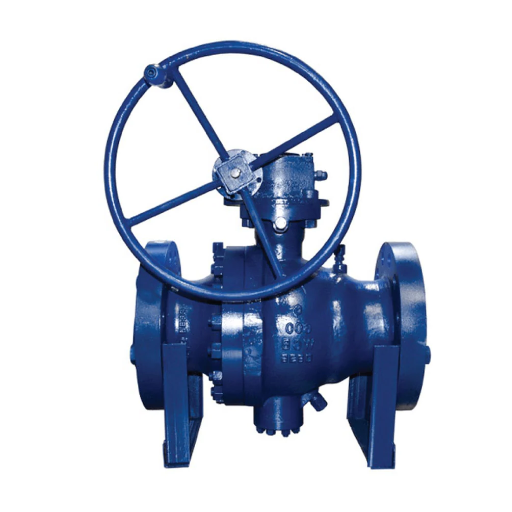
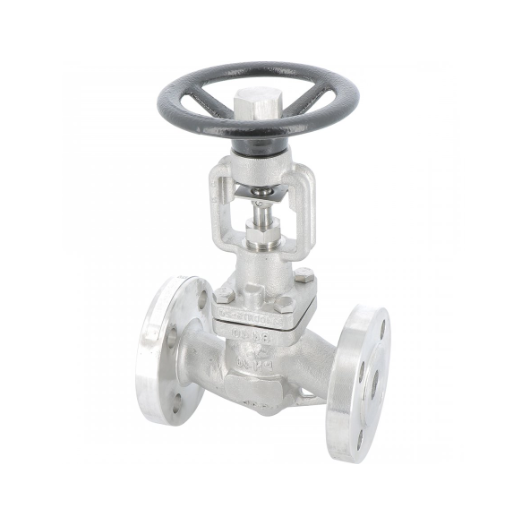
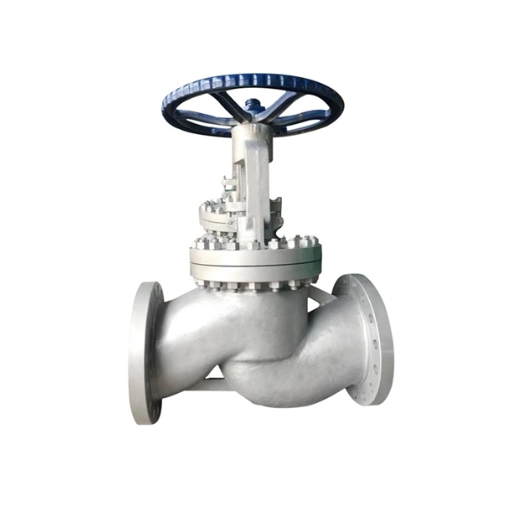
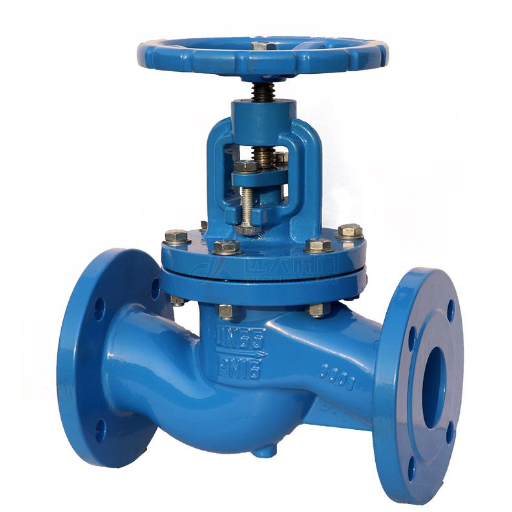
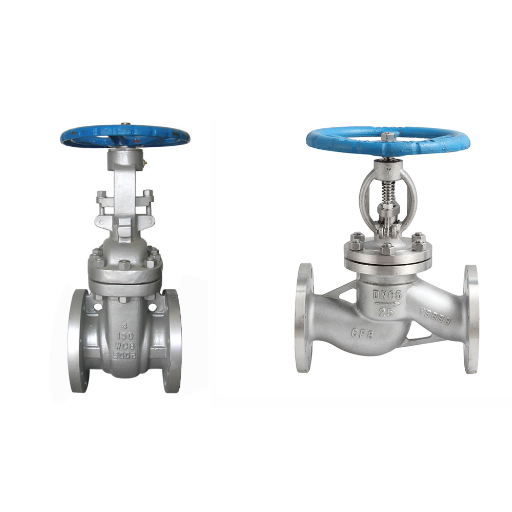
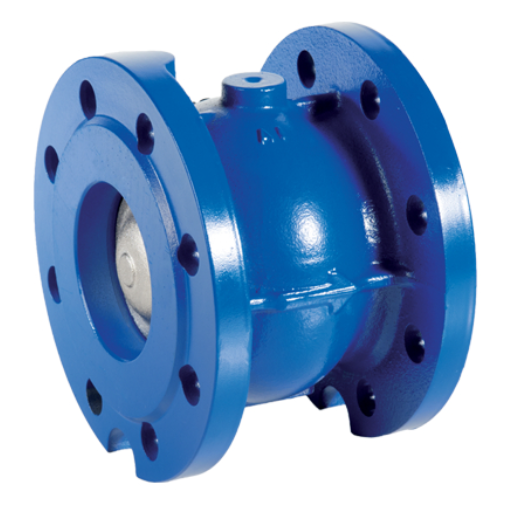
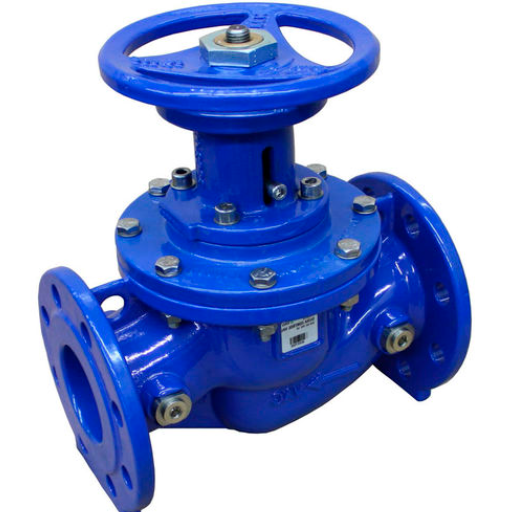
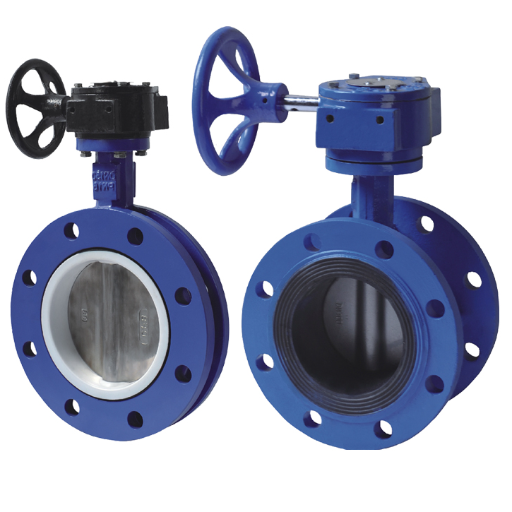
Flange valves are sub-divided into multiple types according to the area of their application. For instance, gate valves are the main ones used for turning on/off a strong flow of fluids with no extra resistance. Globe valves, which are made for flow control, can be used to control fluids very accurately in applications where precise fluid control is needed. The fast operation of ball valves makes them the right choice for applications demanding reliable sealing and big flow capacity. Butterfly valves, because of their small size and simple operation, are frequently used in pipelines with a large diameter. Check valves, which maintain one-way flow, play an essential role in preventing the backflow of fluids in the system. Each type achieves different aims in operation and is chosen according to a combination of these factors: flow requirements, pressure conditions, and the nature of the fluid.
Common Flange Types
Flanges play a pivotal role in the piping system as they are the ones through which pipes, valves, pumps, and other equipment get connected. The everyday types of flanges one encounters are slip-on, weld neck, socket weld, lap joint, threaded, and blind flanges. The design of slip-on flanges makes them very fast to install because it allows for welding after the pipe has been slid into the bore. Weld neck flanges can withstand very high pressures because of their long tapered hub that adds strength. Socket weld flanges fit small pipes and high-pressure applications best because the pipe gets into a recessed area for welding. Lap joint flanges are used with stub ends to facilitate easy alignment, and the pressure can be low in such systems. Threaded flanges are also not welded and are used where welding is not possible, such as in environments prone to explosions. Blind flanges give the option of isolating sections of the system or testing as they plug pipe ends or nozzles. The criteria for the flange selection process are the pressure ratings, fluid characteristics, and system requirements.
Identifying Flange Types
Flange types can be distinguished according to their construction, usage, and method of connection. The most frequently used types of flanges are:
- Weld Neck Flange: This type is characterized by its long tapered hub and is suitable for high-pressure systems, which require to be under stress and vibration handling.
- Slip-On Flange: It is simply designed and allows the pipe to be inserted into the flange before welding, making it a good choice for low-pressure applications.
- Socket Weld Flange: For small pipes, the pipe goes into a recessed area to be welded, which results in a strong and reliable joint.
- Lap Joint Flange: It comes with a stub end, and it brings easy alignment and flexibility especially in low-pressure situations.
- Threaded Flange: It has internal threads and it can be connected without welding, it is widely used in areas with explosive or hazardous materials.
- Blind Flange: A pipe’s end or nozzle is sealed off with this flange and it is often used for testing or isolation purposes.
Each type has to be picked according to the system’s needs, which include pressure, temperature, and fluid properties.
Diverse Flange Types
The choice of a flange type rests on fundamental elements like the pressure, temperature, and the kind of fluid in the system. One of the major advantages in the use of slip-on flanges is the fact that they can be used in low-pressure applications since they are inexpensive and easy to install. On the contrary, the weld neck flanges apply to the high-pressure and high-temperature areas, since they offer strength and integrity of the system. Socket weld flanges are prevalent in smaller diameters, reliable in high-pressure applications, and are thus the choice for such conditions. Threaded flanges are perfect for systems where welding is not feasible or represents a fire hazard, while blind flanges are widely applied to seal and section off a pipeline during maintenance or pressure testing. The selection of each flange type requires a detailed analysis to confirm that it can cope with the specific operational demands of the system.
Flange Dimensions and Characteristics
Flange size and specifications are pivotal in securing the compatibility and the performance within a pipeline network. The flange size is usually specified in terms of outer diameter (OD), inner diameter (ID), bolt circle diameter (BCD), and the number of bolt holes, which should coincide with the dimensions of the pipe and the connecting parts. Pressure ratings, expressed as Class 150, Class 300, or higher, signify the maximum allowable pressure for the flange at a particular temperature. Furthermore, the choice of materials, say between stainless steel, carbon steel, or alloys, is based on the working conditions, including temperature, pressure, and resistance to corrosion. Following industry standards like ASME B16.5 or ANSI guarantees consistency and reliability across the system’s components. It is necessary to confirm these specifications carefully to ensure operational efficiency and system reliability.
Flange Material Issues
When making a decision about which flange materials to use, one must consider a number of factors, including mechanical strength, heat resistance, and corrosion resistance, and these factors must be weighed very carefully to guarantee that the material is suitable for the proposed application. In high-temperature situations, stainless steel or the use of certain high-heat alloys will be the materials of choice since they can withstand thermal stress and not lose their structural integrity. On the other hand, carbon steel is often the most economical and longest-lasting choice for lower temperature and pressure conditions. Moreover, the type of the medium being transported has a huge influence; for instance, corrosive substances may require flanges made of materials with excellent anti-corrosion properties, like Duplex or Hastelloy. By matching material selection to operational parameters and complying with specifications, flange applications can achieve reliability and safety.
Valve Connection Types
Flange Valve Connections Explained
Flange valve connections form a reliable and strong method of connecting valves to piping, especially in high-pressure and high-temperature applications. Flange connections make use of flat protruding edges with bolt holes, i.e.flange, to contain the valve and the pipeline through bolting and gasket sealing. The flange types can be very different for example, there can be slip-on, socket weld, weld neck, and blind flanges each one is designed for a different operational content. The main advantages of flange connections are that one can easily maintain them i.e. the system can be disassembled without cutting the pipe and they can withstand considerable mechanical stress. Choosing the right flange connection involves taking into account pressure ratings, material compatibility, operating temperatures, and compliance with industry standards like ASME or API to secure system integrity and safety.
Threaded vs. Welded Connections
Both threaded and welded connections provide different functions depending on the system’s needs. Threaded connections serve low-pressure and non-critical applications mostly. They facilitate very easy assembly and disassembly without requiring specialized tools or equipment. On the other hand, they are not suitable for high-pressure systems because the risk of leaks at the threads is high. In contrast, welded connections provide a permanent and robust seal making them suitable for high-pressure, high-temperature, and critical applications. Welding accompanies leak-tightness and also the mechanical strength, but skilled labor, non-destructive testing, and facilitating modification or disassembly pose challenges. The ultimate decision of whether to use threaded or welded connections should consider operational conditions, system design requirements, and maintenance factors.
Understanding Connection Type Standards
It is necessary to follow the relevant standards when choosing a connection type to ensure its compatibility, reliability, and safety. For example, ASME B1.20. 1 for pipe threads or ISO 7-1 for taper threads set the standards for threaded connections and give the specifications on dimensions, thread forms, and pressure ratings. Standards for welded connections provide very detailed criteria for material selection, joint design, and welding processes for example ASME B31.3 for process piping or AWS D1.1 for structural welding. These standards ensure that the operation will be consistent under the specified conditions and also help in minimizing the risks involved with failures or incompatibilities. Compliance with standards not only ensures that the connection types are according to the regulatory requirements but also that they meet the operational demands.
Industry Standards for Flanges
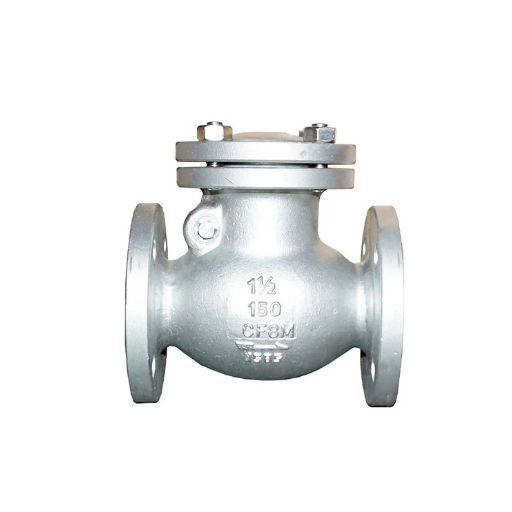
Industry standards are fundamental in assuring the compatibility, safety, and reliability of flange connections in various applications. Organizations like ASME (American Society of Mechanical Engineers), ANSI (American National Standards Institute), and DIN (Deutsches Institut für Normung) have detailed specifications for flange design, materials, dimensions, and pressure ratings. ASME B16.5, for example, covers pipe flanges and flanged fittings for sizes NPS 1/2 through NPS 24, offering standardized dimensions and pressure-temperature ratings. Compliance with these standards ensures that components from different manufacturers can be used interchangeably and that the system meets regulatory requirements for safety and performance. Adhering to industry standards also simplifies the procurement process and facilitates quality assurance, reducing the risk of operational failures.
Selecting Flanges for Specific Applications
Selecting the appropriate flange for a specific application requires a comprehensive understanding of the operational requirements and environmental conditions. Factors such as fluid type, pressure, temperature, flow rate, and the presence of corrosive or abrasive substances must be carefully evaluated. For high-pressure and high-temperature applications, weld neck flanges are often preferred due to their superior strength and stress distribution. In systems requiring frequent disassembly for maintenance, slip-on or lap joint flanges may be more suitable. Additionally, the choice of gasket material and bolting specifications must align with the flange type and operating conditions. Consulting with engineers or flange manufacturers can provide valuable insights and ensure that the selected flange meets all performance and safety criteria. A thorough analysis minimizes the risk of leaks, failures, and costly downtime.
Compatibility Between Flanges and Valves
Ensuring compatibility between flanges and valves is critical for the proper functioning of piping systems. The flange must match the valve in terms of size, pressure rating, and face type to create a secure and leak-proof connection. Mismatched components can lead to uneven stress distribution, gasket failure, and potential leaks. Additionally, the material of the flange should be compatible with the valve body to prevent galvanic corrosion or other material incompatibilities. The bolt hole pattern and dimensions must also align to facilitate proper bolting. Consulting technical specifications and standards such as ASME or ANSI helps in verifying compatibility. Proper selection and matching of flanges and valves enhance system reliability and reduce the likelihood of operational issues.
Common Issues and Solutions
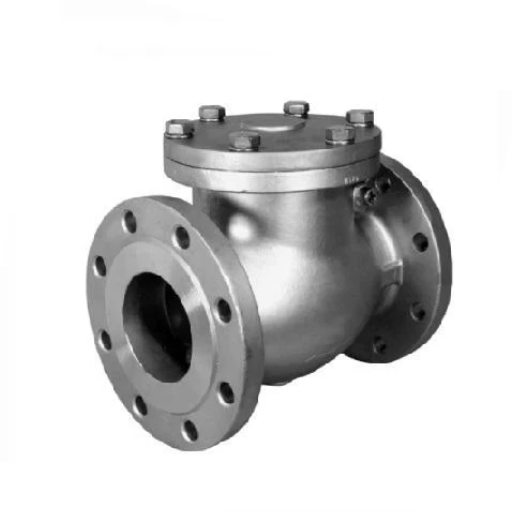
Flange connections can experience a variety of issues that compromise their performance and safety. Common problems include leaks due to improper gasket selection, insufficient or excessive bolt tightening, or misalignment of flange faces. Corrosion and erosion of flange surfaces can create irregularities that prevent effective sealing. Thermal expansion and contraction during operation can lead to loosening of bolts or stress concentration at the connection. Additionally, using incompatible materials or failing to adhere to industry standards can result in premature failure. Addressing these issues requires careful attention to material selection, proper installation techniques, and regular maintenance. Proactive measures, such as using appropriate gaskets, ensuring correct bolt torque, and maintaining alignment, can mitigate these common problems and enhance the reliability of flange connections.
Challenges with Flange Valve Connections
One of the most frequent problems presented by flange valve connections is that of improper alignment, which leads to the uneven distribution of stress and, consequently, either leakage or breakdown of the component. Misalignment is mainly caused by inaccuracies during installation or thermal expansion which takes place during operation. Another factor is the incorrect choice of bolting materials or tightening torque, which can lead to either over-compression or under-compression of the gasket and thus, the gasket’s integrity would be compromised. Moreover, surface irregularities like scratches or erosion on the flange face can create an obstacle preventing the establishment of a proper seal. To overcome these difficulties, one must always carry out perfect alignment during assembly, use materials that are compatible and follow the specified torque values, as well as inspect the flange surfaces regularly in order to ensure reliability in operations.
Maintaining Valve and Pipe Integrity
The integrity of valves and pipes should be maintained as a matter of priority because it is essential for safe and efficient operation of systems. To maintain this integrity, one should carry out inspections at regular intervals to reveal any signs of wear, corrosion, or mechanical damage that might affect the performance of the system. The selection of right materials is a crucial step—valves and pipes should always be made of materials that can withstand the conditions (fluid, pressure, and temperature) so as to avoid chemical degradation or structural failures. When the time comes to put or replace parts, it is very important to make sure that all connections are correctly aligned and well tightened to prevent leaks or undue stress. Besides, a plan for preventive maintenance should be set up, which includes cleaning, lubrication, and functional testing, to catch potential problems before they become big ones. Following industry standards and manufacturer guidelines is another way to enhance reliability and prolong the lifespan of valves and pipes in different applications.
Upgrading to Modern Flange Standards
Modernizing flange standards, from a technical point of view, it means and implies a lot of operational and safety advantages besides that. Most importantly, it also means the organization is in step with the current industry standards. For example, the modern flange standards defined by ASME and ISO not only represent our long past but they also integrate the new era’s material strength, pressure tolerances, and design efficiency making them better compared to the old ones. However, such a transition often requires the assessment of the current systems, the replacement of the obsolete components, and checking for compliance by means of precise dimensional and pressure ratings. Upgrading the facilities can yield better sealing performance, reduced leakage risk, and increased durability of the system despite the changing atmospheric and operational conditions. Proper implementation calls for consulting comprehensive engineering specifications and performing meticulous inspections to ascertain total conformity with the new regulations.
Reference Sources
-
Understanding Flange Valves: A Comprehensive Guide
This guide explains the basics of flange valves, their design, and their applications, making it a great starting point for understanding the topic. -
Understanding and Selecting Valve Flanges, Pt. I: Design and Standards
This article dives into the variables affecting flange ratings, production methods, and standards, offering detailed insights into flange selection. -
What Are Flange Valves?
This source discusses the key types of flange valves and their specific uses, providing practical information for choosing the right valve.
Frequently Asked Questions (FAQs)
Key Takeaways
Selecting the right flange valve involves careful consideration of multiple factors including material compatibility, pressure ratings, temperature ranges, and specific application requirements. Understanding the different types of flanges and their characteristics, adhering to industry standards, and following proper installation and maintenance practices are essential for ensuring system reliability, safety, and efficiency. Always consult with experienced engineers or manufacturers when in doubt to make informed decisions that will serve your operational needs effectively.