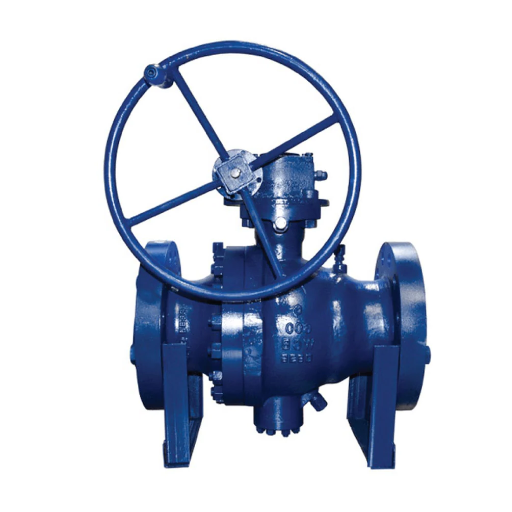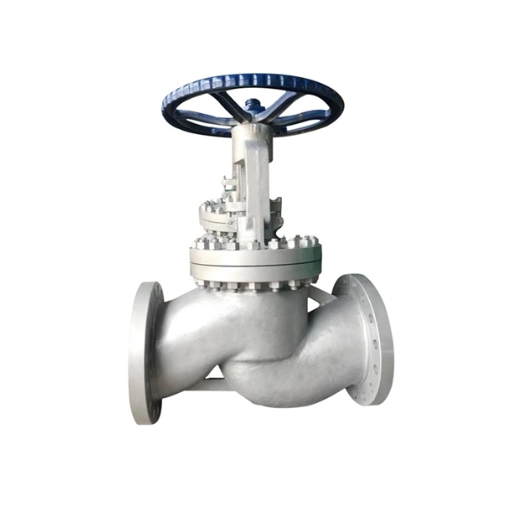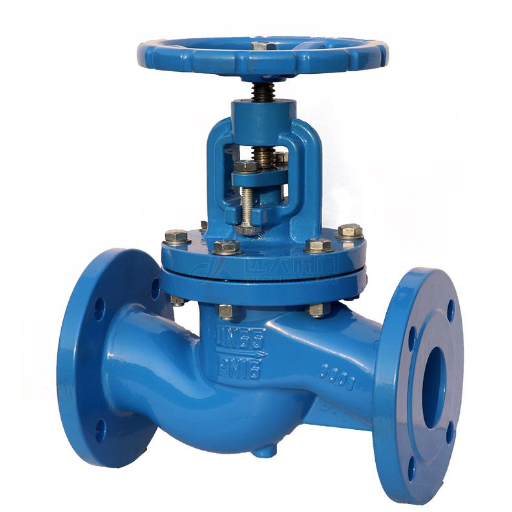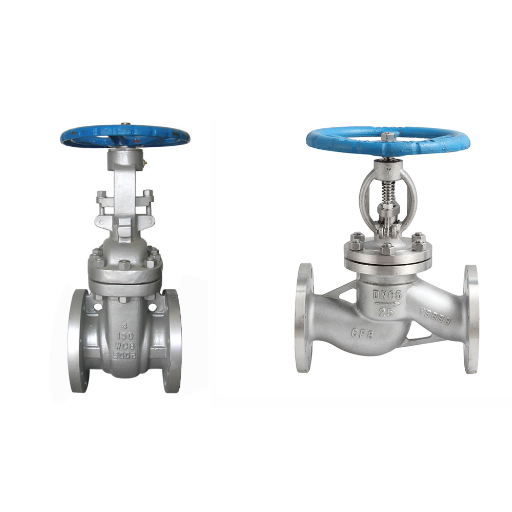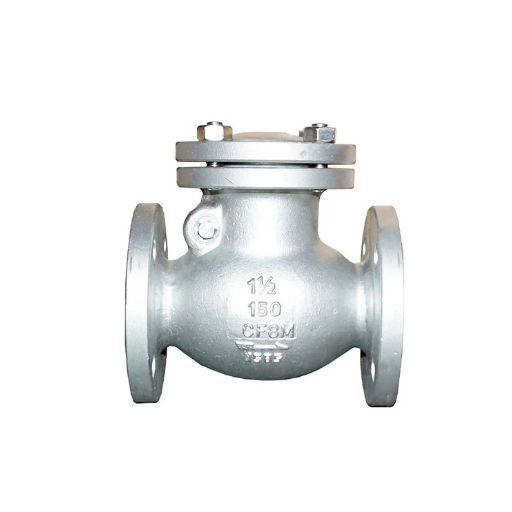
The valves that are placed in an industrial system can either light up or put out the whole chain of processes, from bringing about efficiency, to safety, and even to the overall performance. In the process of controlling fluids, the flange axial valve and the flange globe valve are two very significant but different ways to get the job done. The environmental differences and the purposes of the devs play a huge role in this. Professionals who are assigned to improve their systems must have a good knowledge of these differences. The present discussion, therefore, aims at revealing the main differences between the flange axial valves and the flange globe valves by showing the insights regarding their functioning principles, unique advantages, and the right places for their use. Those of you who are engineers, facility managers or just interested in industrial systems will be given the power of making the right decisions through this guide packed with new and useful knowledge.
Recognizing Types of Valves
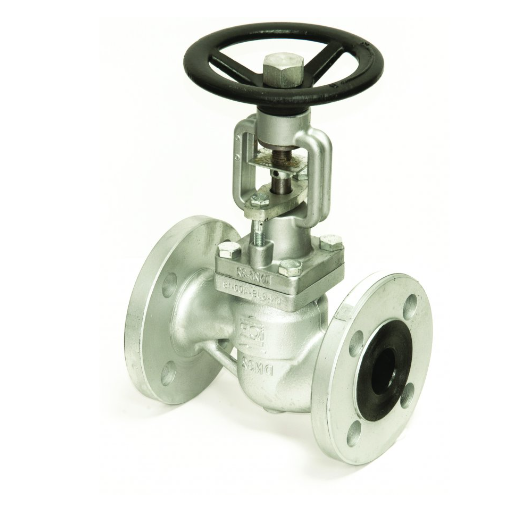
The designs and operations of flange axial valves and flange globe valves are fundamentally different. The former are linear motion valves, whose functioning principle is moving a disc or a plug along the same line as the pipeline. They are the valves of choice when one wants to get maximum efficiency out of the very system through pressure regulation and flow control with the least energy loss, especially in applications that need very little energy loss.
In contrast to that, the flange globe valves come with a globe-type of body and a perpendicular stem that links to the disc sealing the flow that is moving out. These are the best valves for accuracy of throttling and in systems where flow control is of utmost importance, they are extensively employed.
Each category contributes something different and thus the decision of which one to use will depend on the characteristics of the system, which are in fact pressure, flow rate, and maintenance needs.
Definition of Valve
A valve is a mechanical apparatus that can control, regulate, and change the direction of fluid (liquid, gas, or slurry) flow by opening, closing, or partially blocking different passageways. Valves are major parts of many systems such as pipelines, industrial processes, and machinery, and they are responsible for the regulation of flow and pressure in a safe and efficient manner. Their designs and functionalities are decided by fluid type, operating conditions, and specific application requirements. Good valve selection and maintenance are very important for system performance optimization and reliability.
Common Types of Valves
Different types of valves with their own specific applications and operating conditions exist. Among these, gate valves are the most commonly used ones for fully open or fully closed operations; they provide very little flow resistance when open. Ball valves are the most common ones when a system requires fast shutoff; they are non-leaking valves. Globe valves are good for flow regulation; they permit the accurate control of fluid movement. Check valves have only one direction of flow allowed at a time and are used to stop fluids from flowing back into the system. Butterfly valves are characterized by their compactness and ease of operation; they are commonly used in big pipes to only allow the flow or pressure to decrease. Each type of valve is unique and comes with specific properties that enable it to serve the needs of different industrial and mechanical processes.
Importance of Valve in Piping Systems
Valves play an important role in piping systems as they regulate, control, and direct the flow of fluids, gases or slurries. Their use allows for system efficiency and safety by providing operators the ability to start, stop, and accurately adjust flow rates according to demand. The kind of valve selected is based on the application, pressure, and fluid properties. In the absence of valves, it would not be possible to control industrial processes, prevent backflow, or manage pressure, thus making them indispensable in a wide range of mechanical and industrial operations.
Flange Axial Valve
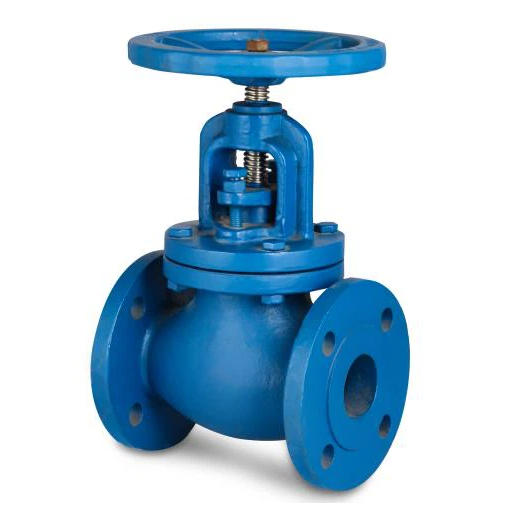
The flange axial valve is a remarkable product that allows precise flow control and delivers a constant performance in the industry. It is a high-efficiency valve engineered for applications that need perfect shutoff and that require minimal maintenance. This type of valve has such a small design that it takes very little space and is also easy to install, regardless of the connections being flanged or not. The main features that give this product its competitive edge over others include amazing sealing, resistance to pressure changes, and being applicable for both liquid and gas flow control.
Design and Functionality
The design of this valve guarantees optimal functioning owing to its stronger built and craftsmanship of the highest precision. The valve’s small size, in turn, ensures that it will easily fit into any already existing systems with flanged connections, while the use of hard-wearing materials ensures that the valve will last long even when operating under the most demanding conditions. The valve’s sealing system has been engineered very carefully to provide a total shut-off, preventing leaks and increasing the system’s efficiency. Moreover, its design that requires minimal maintenance makes it easy to maintain and is, therefore, a good choice for areas using liquids and gases where flow control that is both consistent and adjustable is the requirement.
Sealing Performance of Flange Axial Valve
The sealing ability of the flange axial valve is mainly a result of its modern sealing mechanism, which tightly shuts off and greatly reduces leakage risks. The valve’s configuration includes components that are extremely precise and engineered in such a way that a seal that lasts for long is maintained despite different pressure and temperature conditions. This, in turn, makes it suitable for reliable liquids and gases operation and flow control. In addition, the use of high-performance materials in the valve construction increases the life span of the seal which means that maintenance will not be done often and this, in turn, increases the overall efficiency of the operation.
Applications in Various Industries
The valve, with its sturdy design and great sealing aptitude, can be used in many industries. It guarantees the safe and efficient, albeit high-pressure, movement of volatile substances in the oil and gas industry. The chemical industry counts on its accuracy to process aggressive or corrosive fluids while the water treatment plant is always sure of regular flow and no leakage as long as this valve is there. Furthermore, in heating, ventilation, and air conditioning systems, it helps in temperature control and also energy saving. Its durability and versatility have created a space for it in such industries as pharmaceuticals, power generation, and food and beverage manufacturing, where it is absolutely necessary. These characteristics not only point to its efficiency but also to its adaptability in different places of use.
Flange Globe Valve
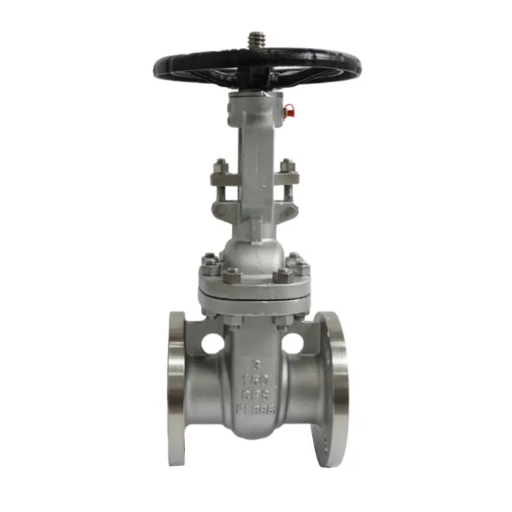
Flange Globe Valve is a kind of valve that is made for the purpose of controlling or cutting off the fluid’s movement in the pipeline. The main reason why this type of valve is so preferred is that it is capable of holding a very strong and precise control over the flow, thanks to its linear movement and design. The valve is very often used in industries where there is a requirement of mixing and where the operation is done frequently, i.e. they are majorly found in oil and gas, water treatment, and chemical processing industries. Also, the flange connections create a very safe and leak-proof fit, which is a big plus for the valve in consideration of different temperature and pressure conditions.
Key Characteristics
The flange globe valve is marked with its rugged construction, which guarantees service life in even the most difficult environments. It provides a linear stem movement that assures the maximum accuracy in the regulation of liquid flow hence it is combined with the caliper-like precision. The strong sealing potential of the valve’s flange connections reduces the likelihood of leaks in scenarios of changing pressure and temperature. Besides, the valve supports efficient throttling and is intended for frequent operation, making it a versatile selection for oil and gas, water treatment, and chemical processing industries, among others.
Sealing Surface and Performance
Durability and reliability performance are the main concerns about the sealing surface of the valve, which is why they are continuously replaced due to minimal wear and tear even when operated continuously. The whole valve is usually made of high-grade materials, which are not only corrosion resistant but also tough and hard to wear out and this is one of the factors contributing to integrity maintenance over long use. This design is what makes effective sealing possible since leakage is prevented even in high-pressure and high-temperature surroundings. On top of that, the cutting-edge design of the sealing surface that is effective in decreasing the frequency of maintenance needed and extending the valve’s lifetime makes it an efficient and cost-effective solution for various industrial applications.
Typical Use Cases
The rendering of these valves is the most common case in oil and gas, chemical processing, power generation, and water treatment industries. Moreover, they are perfect for positions that entail the firm flow control of liquids or gases under extreme pressure and temperature conditions. Besides, their sturdy build and low-maintenance designs render them especially fit for locations where the utmost limitation on downtime is imposed, like in pipeline systems, refineries, and energy plants. Furthermore, their capability in being leak-proof translates to safety and efficiency which is particularly important in the case of hazardous or unstable substances being handled.
Comparative Analysis
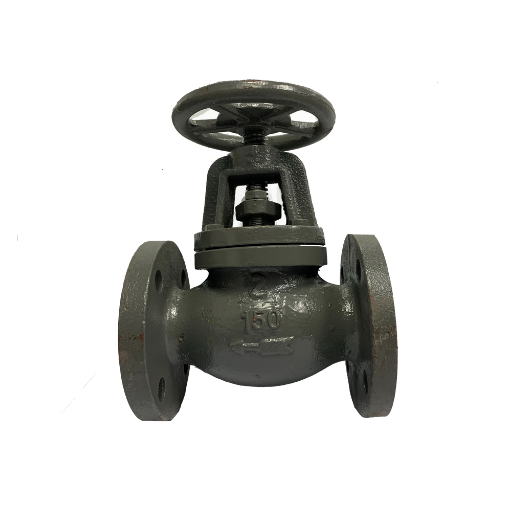
The differences between gate valves and globe valves primarily concern their respective functionalities and applications. Gate valves have an on-off controlling ability and are therefore advantageous in the case of complete opening or closing, which makes them most suitable for systems where the flow is to be uninterrupted. Globe valves, conversely, are the ones that can precisely control the flow not only because of their design but also because of their efficient throttling capabilities. Although gate valves are the valves for using in applications where minimum flow resistance is needed, globe valves also compose the end of the scale where the pressure is to be lowered or the flow rate is to be increased. It is only the selection of the right valve that will depend on the systems requirements such as flow control, pressure conditions, and operational frequency.
Differences in Design and Operation
Gate valves and globe valves are, in fact, very different to each other with respect to both design and operation. These valves use a sliding gate mechanism that can either be fully opened or closed thereby only allowing fluid to pass through under very low resistance, so they are excellent for on-off control. They are not meant for throttling because the partial opening may cause the valve to be damaged. Whereas globe valves make use of a disk and seat arrangement to modulate the flow thus granting the possibility of accurate control and throttling capabilities at the expense of higher flow resistance compared to gate valves. Thus, these differences turn gate valves more effective in applications where complete opening or closing is required, while globe valves are the ones to be preferred in the case of systems demanding very accurate flow rate adjustments.
Performance Metrics: Service Life and Sealing
Service life, as well as sealing performance of both gate valves and globe valves, is, of course, proportional to each other but is also dependent on the design and the operational characteristics of the valves. Gate valves are the ones that generally suffer less wear and give a longer service life in applications where frequent adjustments are not needed, owing to their full open or close functionality. Nevertheless, their sealing capability can get reduced eventually if seating surfaces are damaged or dirt has built up. On the contrary, globe valves are the ones that are designed for precise flow control and therefore are the ones that are more likely to suffer wear in the case of continuous throttling. Still, their seating arrangement, in most cases, allows them to be more reliable in situations where minimal leakage is a must because they can produce tighter sealing. The decision on which valve to use has to be made based on a proper balance of these performance metrics versus the specific requirements of the system.
Cost-Effectiveness and Maintenance Considerations
In considering cost effectiveness, it is almost a rule that the initial cost of a gate valve, especially in larger diameters, is a lot less than that of a globe valve, which is dictated by, among other things, its complex design and overall higher initial cost. However, the situation regarding maintenance requirements can very much alter the long-term cost dynamics. Gate valves need to be maintained less frequently except when their seating surfaces are damaged; on the other hand, globe valves, although being more durable under throttling, may due to continual use suffer wear and thus incur higher maintenance costs in the long run. The decision as to which one to go for should be based on an analysis of initial cost against maintenance cost projections while taking into account the particular operational and economic needs of the application.
Key Differences at a Glance
Conclusion
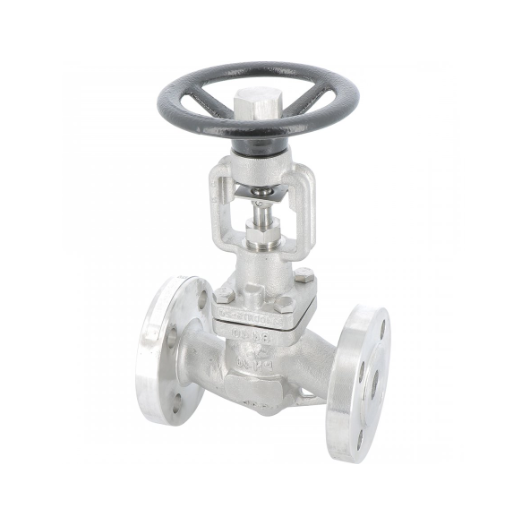
Gate valves and globe valves, like all other types of valves, are unopposed by their unique advantages and difficulties. The gate valve operating in fully open position and with minimal resistance is the one requiring the operator’s least expense and intervention. The opposite would be the case with the globe valve, which would accept reduced flow at the source or would heavily cost the operator in the long run. Therefore, the final selection relies on the expressed operational needs, budget limitations, and the frequency of use.
Summary of Key Differences
The most significant difference between gate valves and globe valves exists in their respective functions, along with the applications they are most suitable for. Gate valves are primarily used for isolation, and it is best to use them in places where one needs to have a complete flow passage with little or no resistance at all. These valves are cheap and also require very little maintenance but they cannot be used for throttling flow. On the other hand, globe valves are used for precise control of flow, and, in this case, they can carry out throttling, though they may incur higher costs. Thus the decision among the two is lifted to the operational requirements arena where gate valves are considered durable and regulation valves.
Choosing the Right Type of Valve for Your Needs
In the process of selecting the right valve type, it is necessary to take the peculiar features of your application into account. The decision of going for gate valves will best serve the cases where cost and unrestricted flow demand the least. These valves, because of their perfect working in totally open or closed positions, cost less to maintain. Still, if you need to be very precise about flow or if the process is continuously varying, then globe valves are the ones to go for, despite their higher initial and running cost. This is just one example of how one could arrive at the right valve choice by methodologically taking into account the would-be budget, controlling flow requirement, and operating conditions.
Future Trends in Valve Technology
The technology of valves is perpetually changing in order to satisfy the demands of contemporary industries; moreover, the improvements are mainly in the areas of efficiency, reliability, and eco-friendliness. One such major trend is the application of smart technologies in that which will allow a valve to be monitored from afar and afforded precise control through IoT devices. Material advances is also one of the contributing factors to the creation of more robust and rust-free valves that work very well even in extreme environments. Furthermore, designers are putting more emphasis on energy efficiency so as to limit pressure losses and leakage. Environmental issues are also greatly influencing the valve market, where the demand for eco-friendly valves that comply with strict regulations and contribute to lowering emissions is steadily increasing. These trends are in unison to ensure that the valve technology is continuously transforming in accordance with the ever-changing requirements in various applications.
Reference Sources
-
DVS Valve: This article discusses the differences between flanged globe valves and other types, focusing on their manufacturing, installation, and maintenance aspects. Read more here.
-
Gas Bytes Episode 4 (YouTube): A video exploring how axial flow valves compare to globe valves, highlighting performance differences such as flow capacity. Watch the video here.
-
FERGO Valve: This page provides detailed specifications and applications of flanged globe valves, useful for understanding their functionality. Learn more here.