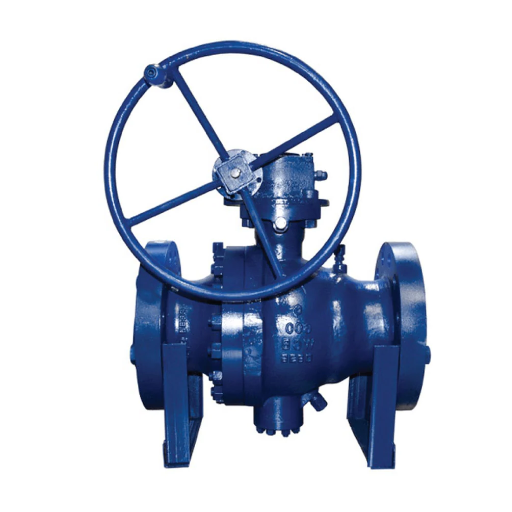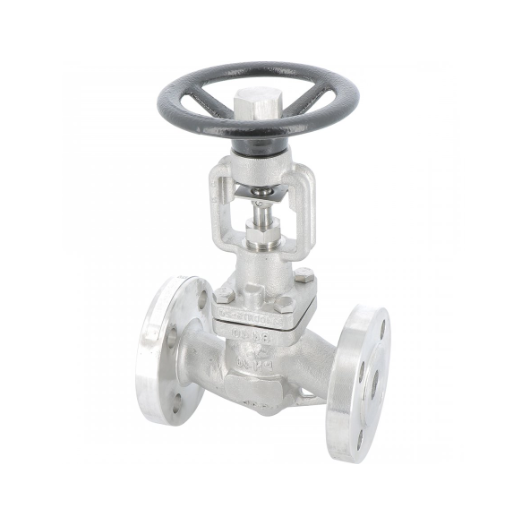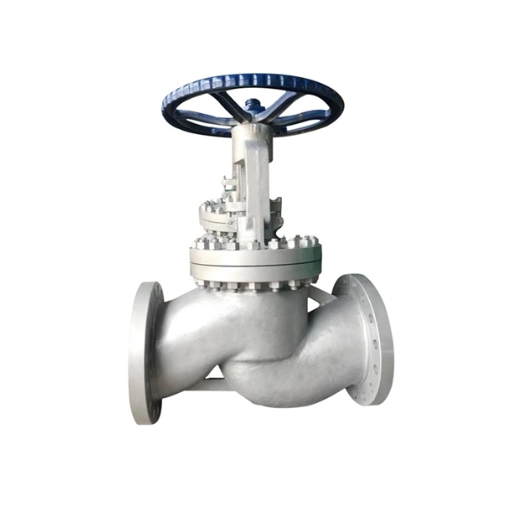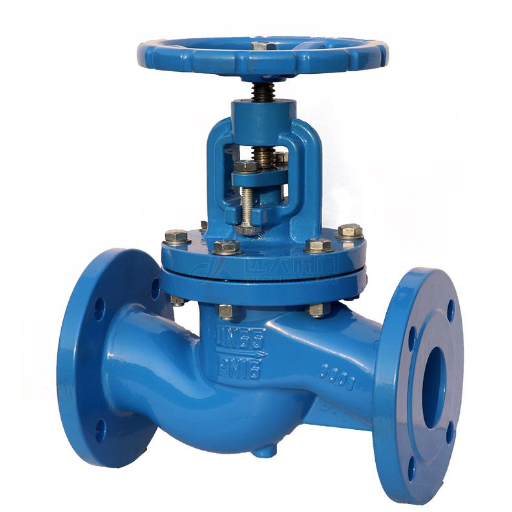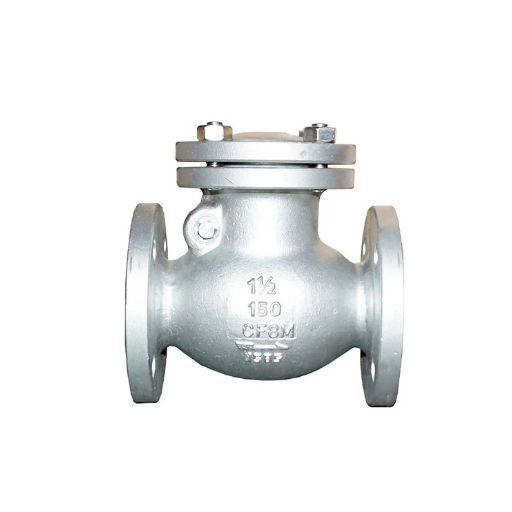
In industrial systems, the flow of fluid management is a critical aspect, and the right valve selection is indispensable to achieving such goals in terms of efficiency, safety, and performance. Flanged gate valves and isolation valves are two of the most popular ones, and they often raise questions regarding their differences as well as their peculiar applications. Each of them has a significant place in the process of flow control and isolation, but it is their individualized designs, functions, and modern practices that can lead the system managers and engineers to take the right choice. A comparison of the distinctions between flanged gate valves and isolation valves is the main content of this article, which also reveals the areas where each one apart from being different is also strong. Regardless of whether your intention is to just learn about industrial valve systems and their operations or you want to make them more efficient, this guide will give you clear, practical, and effective insights to make the right decision.
Understanding Valves
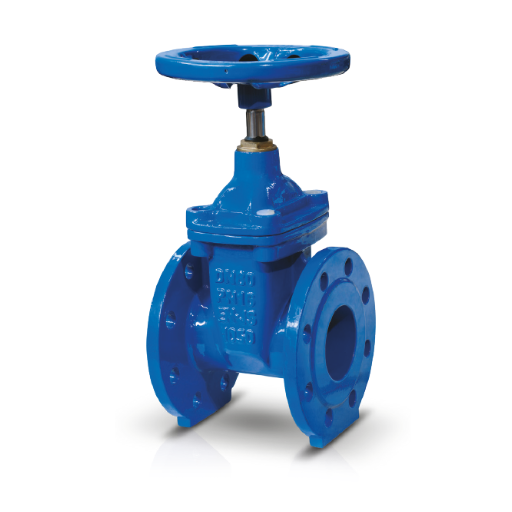
Valves consist of mechanical structures that are employed to manage the stream of liquids, gases, or other substances in a system. They have the ability to initiate, halt, control, or divert the flow depending on the conditions. Some of the most utilized types of valves include gate valves, ball valves, and isolation valves, which are all fitted for specific scenarios. In general, gate valves are mostly put in place for on/off control and when they are fully open, they restrict the flow by a very small fraction. Isolation valves, on the other hand, are designed to stop the flow completely most of the time and hence are used for safety or maintenance reasons. Talking about system requirements, including pressure, temperature, and intended function, will be decisive when it comes to the choice of the right valve.
Definition and Functionality of Valves
Valves are mechanical devices that are used to control the flow of fluids through opening, closing, or partly obstructing the passageway. Their performance is significant in diverse systems, thereby enforcing safety and efficiency. The exact valve type would depend on such parameters as pressure, temperature, and the purpose of the system. To illustrate, gate valves are very much qualified for on/off control with practically no flow limitation, while isolation valves are of course, comprehensive blockage of flow for safety or maintenance needs. The appropriate valve selection, as well as its correct position in the system, is crucial for both maximizing system performance and ensuring reliability.
Types of Valves in Industrial Applications
Different types of valves are used in industrial applications depending on the characteristics and conditions of the processes. Among the most prominent are gate valves, which can be used for on/off control and they provide minimal flow restriction at the same time if completely open. Then there are globe valves, they are perfect for flow and pressure regulation and usually precision-controlled systems. Ball valves along with their reliable sealing and swift operation, go hand in hand with applications deficient in tight shutoff demands. Compact butterfly valves are utilized for throttling and flow regulation in large pipelines. Then there are check valves which allow only one-directional flow and hence are used for preventing backflow in the system. On the contrary, diaphragm valves are ideal for corrosive or viscous fluids because of their leak-proof design. The right valve type is the key to bringing about the above-mentioned benefits and, most importantly, efficiency, safety, and longevity in the case of industrial systems.
Importance of Choosing the Right Valve
Choosing the proper valve is a must if one wants to ensure the efficiency, safety, and reliability of the industrial systems. The correct valve guarantees the best flow control, leak prevention and low maintenance, consequently causing less downtime, lower operational costs, and so on. The selection process must include the media type, pressure, temperature, and application requirement,s among others. Not only does a thorough evaluation of these factors elevate the performance of the whole system, but it also prolongs the life of the equipment, allowing for the latter’s creating of a productive atmosphere in the long run.
Flanged Gate Valves
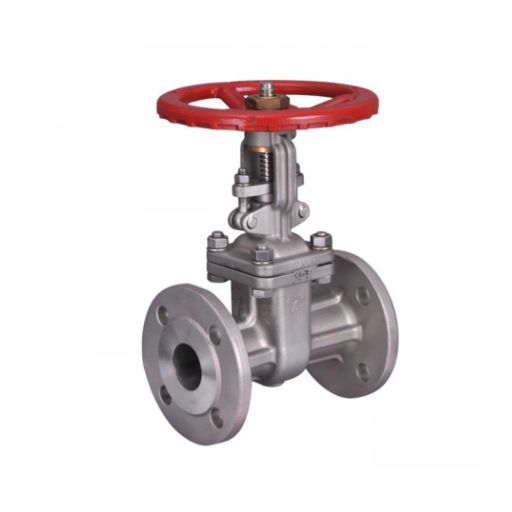
Flanged gate valves are very common and often used for the control of the flow in piping systems. The valve has been designed with flanges on both sides that make it easy to connect securely and firmly to the pipeline. These valves provide a tight seal when fully closed, which warrants their use alongside durability and dependability. The most frequent applications of these valves are water distribution, oil and gas, and industrial processes. The presence of flanged gate valves in a system assures that there will be a very small pressure loss and also that flow control will be very easy. Their best performance and life span are guaranteed by professional installation and regular maintenance.
What is a Flanged Gate Valve?
A flanged gate valve is a kind of valve that is especially made to control the flow of liquids or gases in a pipeline system. It is characterized by the presence of flanged ends which make it easier to connect the valve properly and securely to the pipes, providing a solid and leak-free seal. The operation of the valve is done by lifting or lowering a gate inside the body of the valve thus providing an unrestricted route for the fluid when fully open or completely stopping it when closed. These valves are known for their long life and efficiency, hence they find application in water supply, oil, and gas piping as well as in various industrial processes. Their quality of very low pressure loss and reliable flow control makes them especially appreciated.
Applications of Flanged Gate Valves
Because of their durability and reliable performance, flanged gate valves are used in many different industries. They are often found in water distribution systems, where they play a crucial role in controlling the flow efficiently and maintaining no pressure. Besides, these valves are also present in oil and gas pipelines where they work under very high-pressure and high-temperature conditions. Moreover, flanged gate valves are also widely used in industrial systems that require continuous and precise flow control and durability. This gives them great versatility as they can be employed for controlling liquids, gases, and steam in different working conditions.
Advantages of Using Flanged Gate Valves
There are several important benefits that flanged gate valves provide which is why they are favored in various industries. The robust design of these valves guarantees long service life and above all, dependable, reliable performance even under very high pressures and temperatures. The sealing capability of these valves is masterly, thereby greatly reducing the possibility of leakage and ensuring safety during operation. Besides their ability to contribute to the full-port flow, the pressure loss is limited which in turn makes the fluid management more efficient. Installing and maintaining the flanged connections is relatively easy, which in turn would lead to their being cost-effective in the long run. Flanged gate valves are applicable for controlling different liquids, gases, and steam thus making them very versatile and best suited for demanding industrial applications.
Isolation Valves
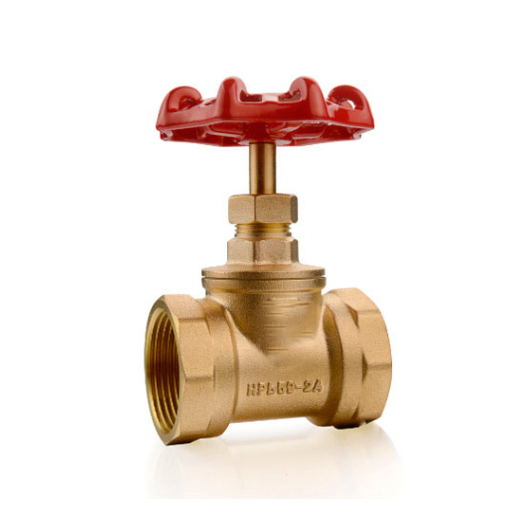
Isolation valves are essential components in almost all fluid handling systems. They cut off the flow of fluid in the system, letting maintenance, repairs, or even the complete shutdown of the system take place without the need to affect other parts of the plant. They are engineered to perfectly shut off or allow the flow of fluid, thus preventing any leakage in the closed position. The three isolation valves that are mostly used are gate valves, ball valves, and butterfly valves which are selected according to the requirements of that particular application. Besides their role in system safety, these valves also contribute to system efficiency.
Definition of Isolation Valves
Isolation valves are mechanical apparatuses that are employed to stop fluid flow inside a system and thus permit the maintenance, repairs, or shutting down of the operation without having the other sections. They ensure no leakage when in the closed position by providing a dependable method to completely open or close the flow. The most usual cases are gate, ball, and butterfly valves, which are chosen according to the particular system needs. The use of these valves is necessary for the safety, productivity, and flexibility of the management of liquids in the systems.
Types of Isolation Valves
Gate Valves
Among the types of isolation valves, gate valves are one of the most popular. The operating principle is by the elevation or lowering of the gate to control the flow, hence giving a good seal when closed. Such valves would be preferred in cases where the operation is unlikely to be frequent but is the full shutoff type, since they are not good for throttling.
Ball Valves
Ball valves function in a way that a ball rotates around a rod going through its center. If the ball is positioned in line with the flow then the valve is open, and a 090-degree rotation will completely close it. Ball valves are well-known for their long-lasting and dependable sealing characteristics; they are thus widely applied in high-pressure systems or in places where rapid operation is demanded.
Butterfly Valves
A butterfly valve has a disc that rotates and this controls the flow. The rotating disc is compact and occupies a minimal volume. This is a major reason why butterfly valves are widely used for large pipe diameters in addition to their relatively low costs. In addition to their efficient flow control property and speeding up of the operation, there are also certain applications where they are ineffective in providing complete sealing.
All types of isolation valves are available to serve their distinct purposes depending on the operational conditions, pressure needs, and system design, which will help in the effective management of fluids in different industries.
Features or characteristics of isolation valves
Isolation valves are made in a way that they can be used for various purposes and they still give the required shut-off and control of flows. Their construction is strong, their operation is easy and the range of pressures, temperatures, and fluid types they can handle is wide. One of the main features is that they bear high pressure very well, because of the use of high-quality materials and other techniques, hence they require very little maintenance while at the same time helping the system to be efficient by no leaks. Furthermore, their small designs allow for easy installation even in places where space is a limitation. These valves are one end that meets the other side of the system, so they appear specifically for industrial, commercial as well as residential systems.
Flanged Gate Valves vs Isolation Valves
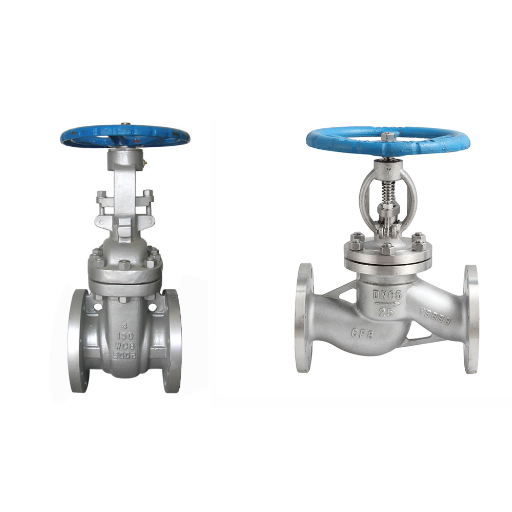
Flanged gate valves and isolation valves take on similar roles but differ in their construction and use. Gate valves with flanges are mainly used for the on/off control of the system and they give an absolute seal when fully shut thus no leakage will happen. They are also ideal for pipelines that are rarely operated and are able to handle high-pressure systems perfectly.
Isolation valves are basically the opposite; they are meant to set apart certain parts of the system for maintenance or repairs. They can be of different types like ball or butterfly valves giving the user freedom to choose as per the system’s requirements. While flanged gate valves are perfect for systems that require a strong seal over time, isolation valves are faster in operation and are often preferred for the ease of handling and versatility.
Functional Differences
Flanged gate valves and isolation valves are not only different in design and operation but also serve completely different purposes within a system. Flanged gate valves are best suited for applications that require a tightly sealed valve for long periods and especially in high-temperature or high-pressure systems. These valves take time to operate but sealing reliability is their strength. Isolation valves, on the other hand, are designed for quick and frequent operations, thus making them ideal for isolating parts of the system for maintenance or emergencies. Their flexibility and convenience make them a favorite in systems where operational speed and comfort are of prime importance.
Use Cases and Applications
Isolation and sealing valves are indispensable across a spectrum of industries on account of their distinct features. Sealing valves are popularly utilized in demanding applications needing a dependable, leak-proof seal, as in pipelines under high-pressure, chemical processing, and steam systems where loss of integrity is critical. Isolation valves, however, are applied in water supply networks, HVAC setups, and fire safety operations, where quick functioning and accessibility are major factors. The valve option is largely determined by the specific operational needs such as durability, speed, or precision in the distribution of fluids or gases.
Maintenance and Lifecycle Considerations
The maintenance and lifecycle of valves require regular inspection, cleaning, and testing of the valves to ensure the valves are operating at their best and are lasting long. Proper lubrication of the moving parts, timely replacement of the components that have become worn out, and following the manufacturer’s guidelines are very important to avoiding failures. The environment where the valves work, such as the temperature, the pressure, and the type of fluid, is also are very important factors that will determine both the maintenance schedules and the lifespan of the valves. By implementing a proactive maintenance plan and monitoring operational conditions, organizations can minimize downtime, enhance reliability, and extend the service life of their valve systems.
Ball Valves Compared to Gate Valves
Ball and gate valves are two of the most popular types of fluid control valves, but their structures and properties are quite different. While ball valves turn on and off by means of a rotating ball that has a hole drilled through its center, thus giving a very reliable and fast shut-off with a quarter-turn operation. Their great properties are that they are long-lasting and they can also keep the pressure inside the system which makes them appropriate for applications that also require very frequent operations.
Gate valves, however, are very high-maintenance, and their operation requires a prolonged opening of the gate to open it or a retraction to close it. Though they are ideal for applications that need an unobstructed and straight flow, especially in large pipelines, they are still slower than ball valves. To put it in a nutshell, ball valves are perfect for rapid and frequent operation whereas gate valves are limited to applications that need very little flow resistance and precise control, thus being able to present the best performance.
Features of Ball Valves
Ball valves are still preferred in most cases because of their long life, convenient operation, and efficient working. They work with a hybrid disc that has a hole in the center, which when aligned with the flow, allows the liquid to come in and when rotated, prevents it. These valves create a very close seal even after long operation, which makes them ideal for use in highly pressured systems. One of the major benefits is their quick operation, requiring just a quarter turn to fully open or close. Furthermore, ball valves are not only versatile but also able to work with different types of fluids such as gases, liquids, and slurries, hence becoming the best choice for many industrial and residential uses.
Ball Valves vs Gate Valves: A Comparison
Ball valves and gate valves are substantially different in their design, mechanism, and performance features. The former employs a ball-shaped element to functionally shut off and quickly operate, requiring just a quarter-opening or -closing turn. They present a drip-tight closure even under high pressure and can accommodate a variety of fluids, thus being very adaptable. Gate valves, on the other hand, control flow through a sliding gate. While they are generally outperformed by ball valves in terms of speed, they do exhibit very minimal sealing under high pressure but cannot match the effectiveness of ball valves. Therefore, the decision between the two rainmakers hinges on the characteristics of the application, such as pressure limits, nature of the fluid, and level of control precision desired.
Choosing Between Ball Valves and Gate Valves
Be careful when deciding between ball and gate valves, as it is very important to look into details and weigh according to the application’s needs. Generally, for high-pressure operations or conditions that need a very tight seal, the ball valve is more than often the first choice because of its strong structure and fast actuator. Also, in situations where gradual flow control is wanted or pressure-tightness is less of an issue, gate valve may become the better choice as it will allow for more precise flow modulation. Moreover, the nature of the fluid that is being controlled and the accuracy of the control required should also be considered as these factors will heavily affect the compatibility of each valve type with your system.
Reference Sources
-
Dombor: Isolation Valves vs Gate Valves: Are Both The Same? – This source explains the functional differences between isolation valves and gate valves, highlighting their specific applications.
-
Plumberstar: Isolation Valve Vs. Gate Valve: What is the Difference – This article discusses the operational differences, including manual and automatic operation, and their typical use cases.
-
The Piping Mart Blog: Isolation Valve vs Gate Valve – What’s the Difference – This blog provides a detailed comparison of isolation and gate valves, focusing on their design and operational characteristics.
Frequently Asked Questions (FAQs)
What are the differences between isolation valves and gate valves?
The main distinction that separates isolation valves from gate valves is the function and structure. Isolation valves are built for the sole purpose of preventing the flow of liquid or gas in one segment of a pipeline so that maintenance or repairs can be done without turn off the whole system. However, the gate valves are mainly utilized for adjustment of flow and their opening and closing times is usually longer than isolation valves. Though both kinds of valves can be found in overlapping applications, gate valves are often placed before isolation valves in order to control the entire system. On top of that, gate valves possess the quality of allowing almost no pressure drop during the fully opened position, which makes them suitable for those applications where high flow rate is required.
How do isolation valves work in comparison to gate valves?
The operation of isolation valves is to block completely the passage of liquid or gas through a pipe when the valve is shut, while gate valves let the flow go through or restrict it depending on the position of the valve and they cannot be fully isolated. Isolation valves mark the critical points in systems where safe or complete shutdown is absolutely mandatory, such as in oil and gas industries or water treatment plants. Gate valves and non-rising stem gate valves are predominantly used in frequent check applications. The flow rate that each valve can handle and complete flow shutoff or just flow regulation are the two main factors that decide if choosing an isolation valve or a gate valve would be better.
What is the appropriate valve used for isolation needs?
The appropriate valve for any application, including isolation needs, can be determined by many factors such as the type of medium, its pressure, and temperature conditions. In general, isolation valves are favored for applications where the running shutdown is a must, while gate valves are made for those requiring slow control of the flow. The criteria for selecting the right valve include the flow features and the choice of either a rising stem gate valve or non-rising stem gate valve as the best. It is very important to analyze the operational demands in order to provide the valve with the best conditions for performing its purpose in the system.
What are the types of isolation valves?
The different types of isolation valves mainly used in different applications consist of gate, ball, and butterfly types. Each valve type has its own way of operating, for example, the ball valves can be opened and closed very fast while the gate valves are quite slow. Isolation valves and gate valves are also found in the water supply sector and in the oil and gas industry. Knowing the traits of these types will help one to easily select between isolation and gate valves for a particular application, thus ensuring that the chosen valve will be able to meet the operational and maintenance requirements.
Choosing between an isolation valve vs gate valve: what should I consider?
There are many aspects to think about when choosing between an isolation valve and gate valve like the exact application, flow control desired and maintenance requirements. Isolation valves are the safest and best option for complete shutdown, and due to this, they are used in critical isolation cases while gate valves are more appropriate for such applications that require continuous flow with very little pressure drop as they do not operate much less than 50% of the time. The material, size, and pipeline compatibility of the valve should also be considered. Ultimately the decision on which valve to go for will be based on the assessment of the specifics of the system in regard to reliability, efficiency, and operational needs.