In the domain of liquid, gas, or other material management, controlling the flow through pipelines very effectively, durably, and reliably is of prime requirement. Flange valves are very much needed here as they are the main components in a variety of industries. But precisely what is their objective and the reason for the necessity of their presence in industrial and commercial applications? The article will go into the details of manifold valves’ working, pros, and usage in practice, giving a definite ground for their being the choice for even elementary and complicated fluid management systems. If you happen to be an engineer, a facility manager, or just an advocate of learning the intricate details of pipeline systems, this guide will be the source of getting the insights about the important place flange valves have in ensuring the operation.
Grasping the Significance of Flange Valves
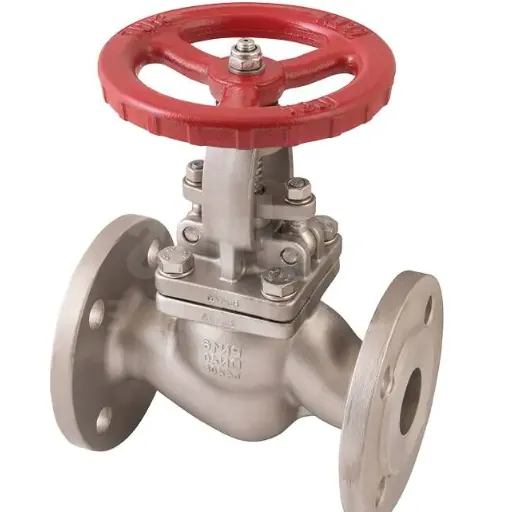
Flange valves are necessary components in a fluid management system, helping to control and regulate the flow of liquids and gases or isolate it. Their structure consists of a flanged connection which provides a secure and leak-proof joint in the pipework. These valves are reliable, easy to install, and they fit in various industrial applications such as water treatment and oil and gas with the characteristics that have led them being their use. Effectuating accurate control while ensuring the preservation of system integrity, flange valves play a significant role in the operations that are both efficient and safe across various kinds of locations.
Definition and Function of a Flange Valve
A flange valve is the name given to a particular type of an industrial valve that is intended to control, isolate, or allow the flow of liquid and gas through a pipeline system. Such valves consist of flanged connections that guarantee a tight, leak-proof seal when being attached to the pipes or equipment with matching flanges by means of bolting them together. These valve types are extensively utilized in the oil and gas, water treatment, and chemical processing sectors because of their ability to endure extreme working conditions coupled with easy maintenance. They manage the flow accurately and maintain system integrity thereby flange valves play a great role in safe and efficient industrial process operations.
Types of Flange Valves
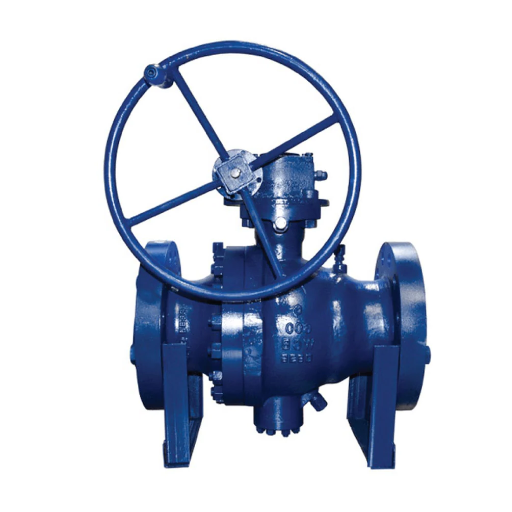
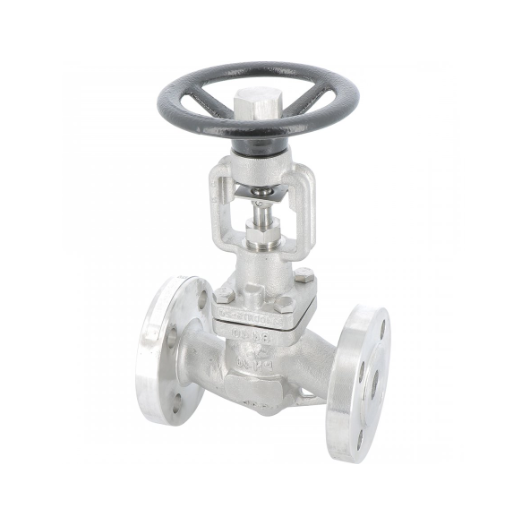
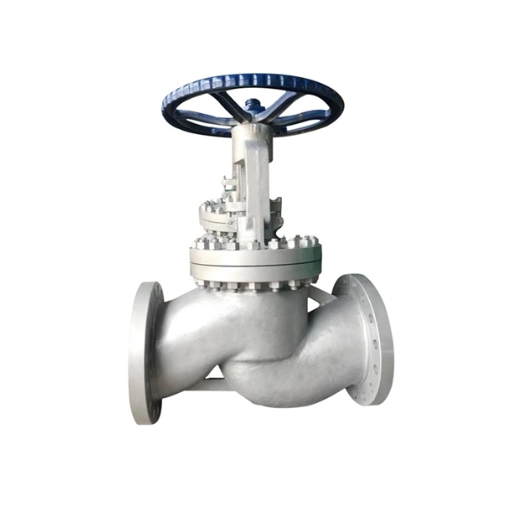
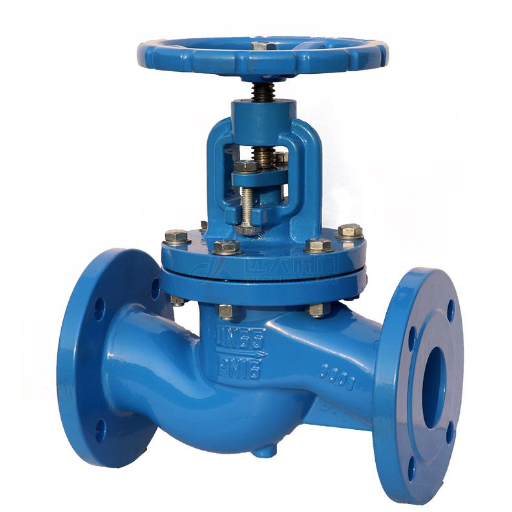
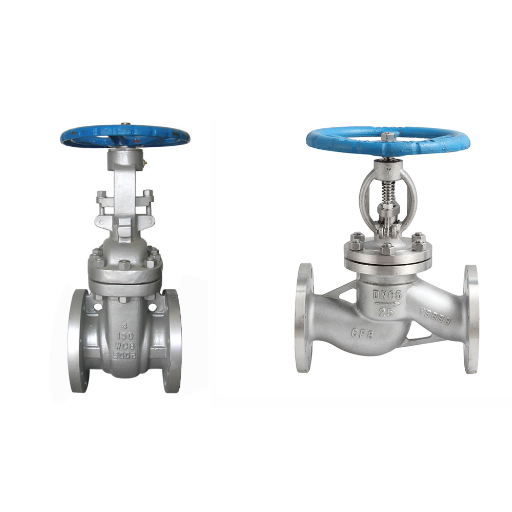
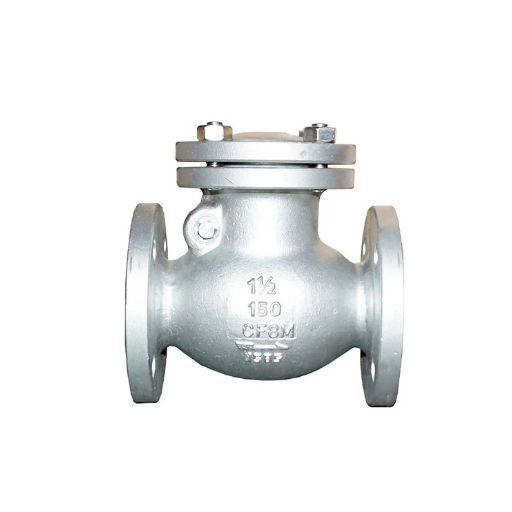
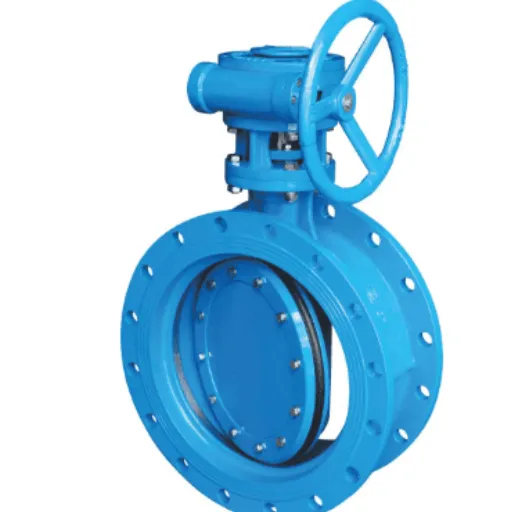
Flange valves consist of a variety of types, every one of them directed towards satisfying certain industrial purposes. On the other hand, gate valves let the fluid on/off completely and have it very little resistance. Globe valves serve and are really well suited for very precise flow regulation and throttling applications. Ball valves are fast to operate and have good sealing, thus they are preferred in reliable shut-off situations. Butterfly valves are compact and lightweight, and thus they can be easily used in mass fluid handling. Check valves are the ones that only allow one-way flow and thus prevent the critical systems from being disrupted by backflow. There is a single function of each type of flange valve, which is making the operation compatible with diverse requirements.
Advantages of Flange Valves in Pipeline Systems
Flange valves, in pipeline systems, are a source of a plethora of benefits that lead to efficient and safe operations. The pipes are made of strong materials, which means that their connections can be very safely made, thus, no leak will occur, and the period of you having to endure high pressure and temperature will be long. A variety of fluids can be handled, including gases, liquids, and slurries, thus, they are versatile and fit in with different industry stocks. Their detachable nature makes it easy to perform maintenance and replacement, thus, downtime is reduced and system reliability is improved. In addition, flange valves are particularly effective in controlling the flow going through the system hence facilitating the efficiency of operations and the performance of the system.
Types of Flanges and Their Applications
Flanges are various types each one is particular for a certain kind of application and specific requirements. The majority of the types are the following:
Weld Neck Flanges
These could be the best solution for systems with high pressure as well as high temperature. The long tapered hub is not only strong and stress-proof at the base of the flange but also a beneficial factor in yielding the flange to the application.
Slip-On Flanges
Such flanges are often used for lower-pressure applications, they are easy to install and cost-effective. The pipe is fitted by the flanges, which are then welded inside and outside for increasing durability.
Socket Weld Flanges
These are apt for small-diameter, high-pressure pipes, where they are mostly used to connect strong fittings but still have the internal surface smooth for better flow.
Blind Flanges
Blind flanges are used to close off the end of a pipe or a vessel; they are able to take higher pressure or testing scenarios, thus providing tight sealing for the pipeline.
Threaded Flanges
Threaded flanges are perfect for applications where welding is not an option since their installation is easy and heat does not pose a risk. They work fine in low-pressure surroundings.
Lap Joint Flanges
Lap joint flanges used together with stub ends are quite adaptable, the securing of easy alignment and quick disassembly, makes them suitable for places where maintenance is frequent and required.
The selection of a flange type is based on the system’s pressure, temperature, and maintenance requirements, thus ensuring safety and efficiency for its intended application.
Different Types of Flange Connections
Flange connections can be separated into large categories according to their design and application. The principal types comprise welding neck, slip-on, socket weld, threaded, and lap joint flanges. Welding neck flanges can be classified as high-pressure flanges, with their long, tapered hub assuring strength and no leakage. Slip-on flanges are harder to align and install but are more suitable for lower-pressure systems. Socket weld flanges are the best choice for small-diameter applications where very strong and leak-proof connections are needed. Threaded flanges are suitable for systems that must be frequently dismantled, as they do not need welding, while lap joint flanges are the best in scenarios of frequent maintenance due to their versatility and ease of alignment. The selection of flange connection is highly dependent on the system parameters such as pressure, temperature and maintenance requirements thereby ensuring that they are reliable, safe and without any operational issues.
Flanged End vs. Threaded Connections
A flanged end connection provides a very strong and secure solution to a problem of a high-pressure and high-temperature system because it has a bolted assembly that seals tightly. They are widely used in industrial pipelines where durability and reliability are the main concerns. On the contrary, threaded connections are very good at low-pressure applications where simplicity and ease of installation are the most important factors. Unlike flanged ends, threaded connections do not require welding; hence, they are suitable for systems that need to be frequently disassembled or modified. The choice between these two types of connections depends on the operational requirements like pressure ratings, environmental conditions, and the need for routine maintenance.
Specific Applications of Flange Ball Valves
Flange ball valves find their applications to a great extent in industrial systems subjected to very high pressures as well as very high temperatures. They get to be used up in chemical processing, power generation, and oil and gas industries among others just because of their sturdy construction and sealing capability. Furthermore, water treatment plants and pipelines also call for these valves in case of their long-lasting nature and easy maintenance. Besides, their flanged ends also offer considerable stability and resistance to leaking, which would be crucial in those systems demanding precise flow control and risk of fluid loss to be kept at a minimum. For environments with corrosive or hazardous media, flange ball valves can be enhanced in performance and life by applying advanced coatings or using materials like stainless steel. Versatility and reliability are the reasons why these valves are often the preferred choice in very demanding operational circumstances.
Leakage and Corrosion Considerations
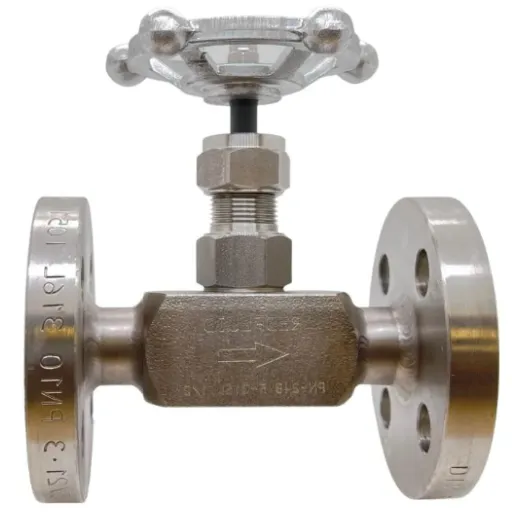
For flange ball valves, minimizing leakage and corrosion prevention are vital aspects that guarantee safety and efficiency. Generally, leakage can be reduced by taking measures such as appropriate installation, routine maintenance, and the use of premium-quality gaskets and seals. The combating of corrosion includes the use of material like stainless steel or protective coatings such as anti-corrosive linings, particularly in applications with corrosive fluids or extreme environments. Periodic checking of valves is a must to detect any weak points and take action immediately, thus, guaranteeing the valve’s reliability and efficiency for the long run.
Leakage in Flange Valves: The Main Reasons
Leakage of flange valves is normally discoverable to some main aspects. Among them is bad installation, where improper bolt torque or incorrect gasket alignment causes leakage by poor sealing. Material breakdown, whereby the sealing surfaces wear or the gasket gets deteriorated as a result of exposure to harsh chemicals or very high temperatures is another leading cause. A change in temperature can also lead to weak sealing strength through shifting over time. Besides, the corrosion of the flange faces and bolts that get exposed to moisture and corrosive agents diminishes the joint’s strength. The constant upkeep of the valve and the quick recognition of these issues will help to decrease leakage and ensure that the valve is always working at its best.
Material Selection and Corrosion Resistance
When it comes to professional use, the selection of materials that offer great resistance to corrosion is a basic requirement for long-term reliability and performance of valves and their related parts, especially in tough environments. Among the most common materials that are able to resist corrosion and even extreme conditions are stainless steel, duplex stainless steel, and nickel-based alloys. For some applications, treatments such as electroless nickel plating or polymeric coatings can be used to enhance corrosion resistance further. The right material must be decided based on the operating temperature, pressure, and the chemical nature of the fluid being handled, among other aspects. Proper material selection is a direct contributor to maintenance cost reduction, breakdown prevention, and the equipment’s service life extension.
Preventative Measures for Leakage Problems
The elimination of leakage problems shall be done through the thorough implementation of proper system design, material selection, and regular maintenance protocols. All joints and seals must be installed, and their tightness should be according to the manufacturer’s specifications, and sealing materials should be of the type that can withstand the operating conditions of the pressure, temperature, and chemical’s exposure. Regular check-ups should be done to find out the wearing off, degrading, or destruction of parts like gaskets and O-rings that happen to be common leakage sources. Also, power and temperature shift should be controlled so that the design limits are not surpassed as they can cause the system to be compromised. In places where it is applicable, non-destructive testing techniques should be used to uncover micro-cracks or weakness in vital areas ahead of their escalation into bigger problems. By being proactive and dealing with these factors, the risk of leakage will be reduced significantly, thus assuring the reliability of the system and its operational safety.
High-Quality Valve Solutions
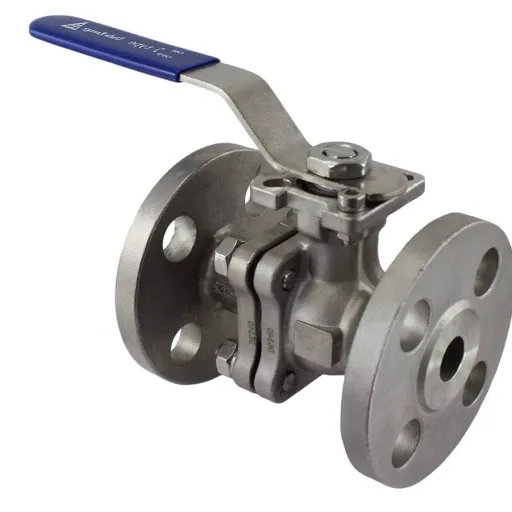
Quality valve solutions are vital for various industrial processes to achieve constant performance, regulate flow, and secure safety during operations. It is best to use valves that are made from materials resistant to corrosion that are appropriate for the fluid type and the operating environment if the goal is to acquire durability and reliability. Along with that, it is advised that the valves be certified according to the highest industry standards (for instance, ASME or API), as this would guarantee their quality and compliance with regulations. Moreover, there are a number of methods that can be employed to enhance valve performance and lifespan, and these include regular maintenance, accurate installation, and following manufacturer’s instructions. By incorporating effective design and correct use, high-quality valve solutions become powerful allies for companies in terms of reducing their risks and avoiding unexpected downtimes.
Choosing the Right Flange Type for Your Needs
Determination of the correct flange type necessitates having a complete grasp of the pressure, temperature, and material requirements of the application. Operating conditions should be included in the factors to consider, such as whether the system will be subjected to high pressures, extreme temperatures, or corrosive substances, and compatibility with the piping system should be ensured. Weld neck, slip-on, socket weld, lap joint, and blinds are among the common flange types, with each being appropriate for certain applications. For instance, weld neck flanges are the strongest and most reliable when used in high-stress environments. On the other hand, slip-on flanges suit low-pressure applications where easy installation is a priority. The flange material should not only meet the required standards but also be in line with, for instance, ASTM codes, and be accompanied by the appropriate gasket and bolt to prevent leakage and ensure the integrity of the structure. Proper selection and adherence to design codes will not only minimize the risk of system failure but also guarantee the operational efficiency of the entire period.
Comparing Gate Valves and Ball Valves
Among the most commonly utilized valves, there are gate valves and ball valves which are two types that are each designated for certain applications only. Gate valves are most appropriate for systems that need full open or full closed operations only, since they can provide virtually no restriction to the flow when they are fully opened. They work by lifting a gate to let the flow and, hence, are suitable for linear flow control in the case of high-pressure environments. Ball valves on the contrary, use a revolving ball with a hole in the middle which is used to control the flow, hence providing a very fast operation and excellent sealing even if the pressure is high. Ball valves take up less space, are less labor-intensive, and are the ones of choice in applications that demand frequent opening and closing. But, gate valves have a longer lifespan in situations where throttling is not that important and resistance to wear is the main concern. The choice of one over the other should take into account the issue of operation frequency, required precision, and environmental conditions.
Innovative Valve Solutions for Modern Applications
In making a choice between ball valves and gate valves, the decision needs to be based on the particular operational requirements. Due to their small size and low maintenance requirements, ball valves are the best choice for high-pressure systems where sealing precision is the most important parameter. On the contrary, gate valves are more appropriate for applications where throttling is negligible and durability is the primary concern, granting them the ability to eventually withstand wear. Besides the mentioned factors, the environmental ones, such as extreme temperatures, corrosion, and flow control, should also be taken into account to make sure that the valve selected will not only be compatible with the system snugly but also perform the task faithfully and reliably.
Reference Sources
- Understanding Flange Valves: A Comprehensive Guide
This guide explains how flanged valves control the flow in pipelines by opening, closing, or obstructing pathways.
Source - What is the function of a flange valve? – CLDG
This article discusses how flange valves manage and stop the flow of materials like liquids and gases within pipes.
Source - What is a flanged valve? Checking the types of flange valves
This resource highlights the features of flanged valves, including their ability to quickly open and close fluid flow.
Source - Top Flange Valve Suppliers in China
Frequently Asked Questions (FAQs)
What is the function of a flange valve?
Flange valve mainly used for controlling the flow of liquid within the piping network. Such valves are made to regulate both the pressure and the flow by opening and shutting their body. Industries like water treatment facilities and high-pressure piping systems, etc., utilize flange valves frequently. Their flange structure provides strong pipe connections so that there is very little leakage. These valves can bear various kinds of fluids and conditions due to their flange feature, thus, becoming versatile in fluid handling applications.
What are the common types of flange valves?
The common flange valve types comprise gate valves, ball valves, and globe valves. Every valve type has its distinct role and is capable of handling certain flow rates and pressure conditions. For example, the fast functioning and tight sealing nature of ball valves are their chief characteristics, whereas the use of gate valves is mostly for on/off control. The presence of flanged connections makes it possible to install and maintain the valves with ease, which, in turn, is the reason why they are used in various applications across different industries. Being familiar with the different kinds of flange valves is helpful for picking the correct one based on specific requirements.
What materials are used for flange valves?
A variety of materials is used for making flange valves, with the most common ones being carbon steel and stainless steel. The main reasons for the use of carbon steel are its strength and durability, while the use of stainless steel flange gives corrosion resistance. The deciding factor for the selection of material is the fluid being handled and the environmental conditions. For instance, in the case of corrosive fluids, stainless steel is the favorite choice. Besides that, the flange dimensions and design also affect the compatibility with other components in the piping system.
How do flange connections allow for easy maintenance?
Maintenance becomes easy with the aid of the flange connections that create a removable joint between the valve and the pipe. This construction allows the technician to get to the valve body without needing the separation of the whole piping system. In this way, the maintenance procedure, such as seal replacing or valve inspecting, can be carried on smoothly. The connection’s ability to tolerate very high pressures and the use of gaskets along will only make them a lot more reliable. This particular feature provides for lessened repairs and lessened downtime in various industrial applications overall.
What is the significance of flange face in valve connections?
The flange face is of great importance in valve connections as it is the one that decides the sealing quality of the flange against the partner surface. Various types of flange faces, namely raised face flanges and flat face flanges, serve different sealing techniques and pressure ratings. The leakage prevention and security of the connection will depend greatly on the right flange face type selection. Besides that, knowledge of flange dimensions will help in getting the proper alignment and fit between the valve and the piping system. A properly designed flange face is an essential contributor to the overall quality of the valve connection.